You want a home that feels intentional and inviting. This article offers straightforward ways to make that happen.
It covers practical decoration ideas you can use to refresh any room—from lighting and color to furniture and storage. The goal is to help you make spaces look and feel a little better, without going overboard.
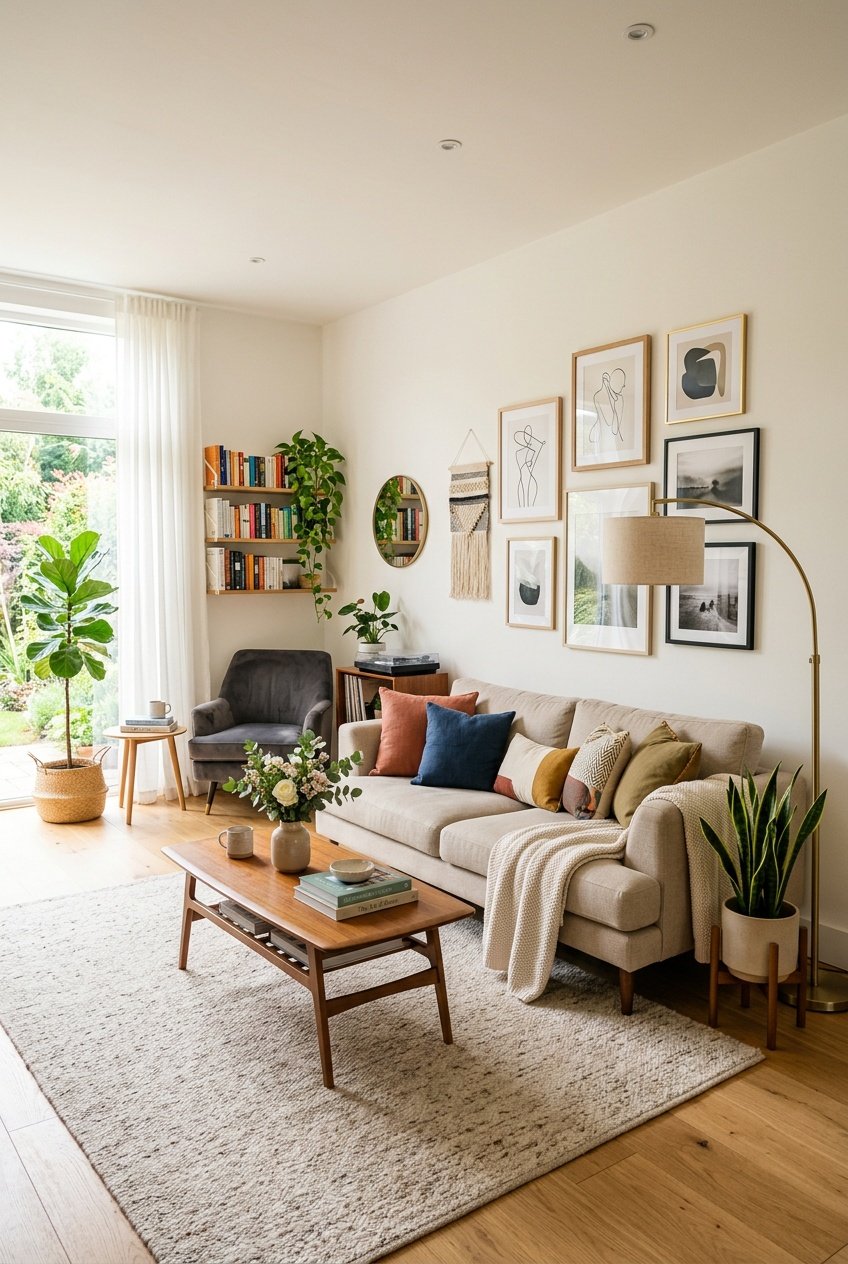
You’ll find tips for all sorts of styles and budgets. Ideas range from bold accents and textured textiles to clever shelving and lighting.
The article aims to guide your choices without making things feel overwhelming. Hopefully, planning your space feels more doable—and maybe even a little fun.
1) Incorporate a bold wallpaper accent wall
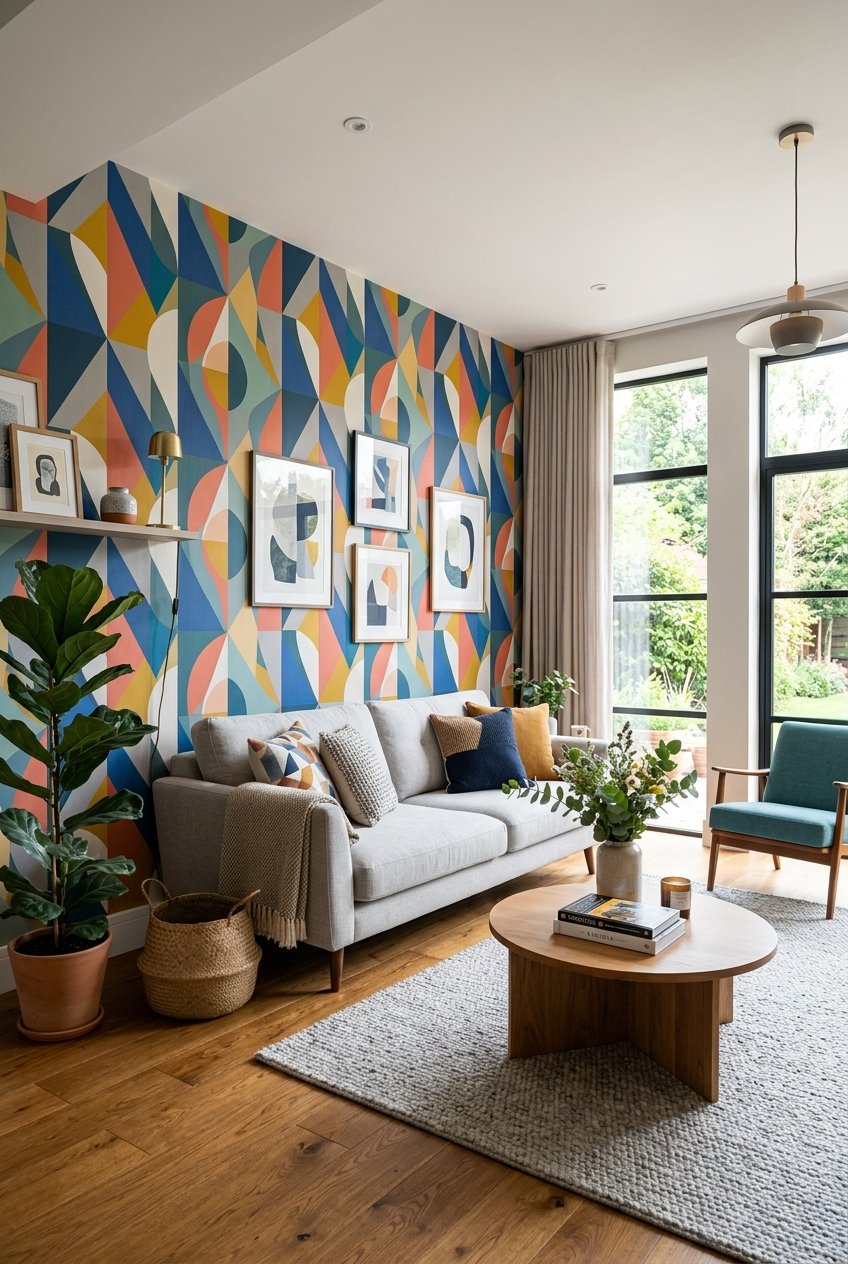
Pick one wall and use bold wallpaper to create a real focal point. It’s a way to add color and pattern without repainting everything.
Choose a pattern that fits the room’s scale and furniture. For balance, pull a color from the wallpaper and paint the other walls in a softer shade.
Installation can be DIY or left to a pro, depending on how handy you feel. Accent walls work in living rooms, bedrooms, or even small spaces when you want some personality fast.
2) Use layered lighting with dimmers
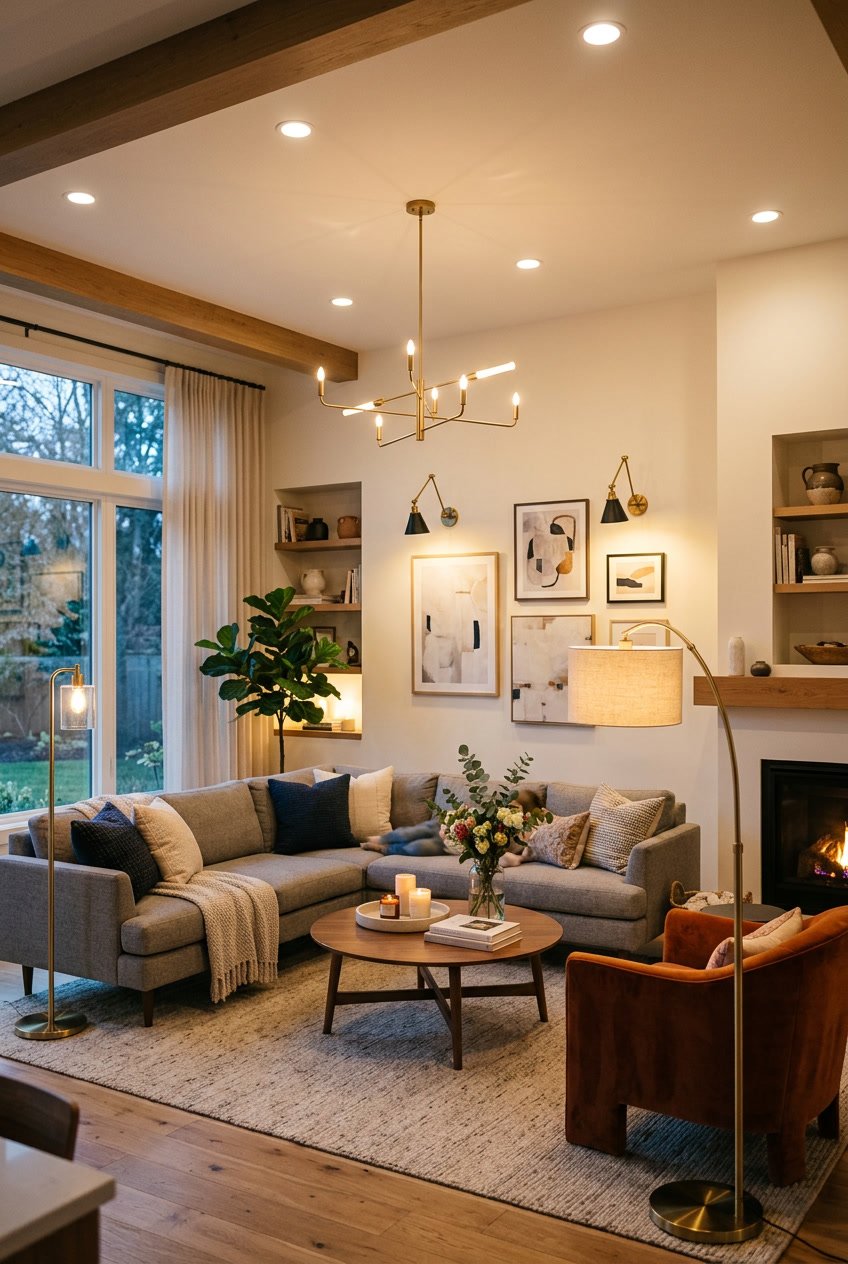
Mixing ambient, task, and accent lights adds depth to a room. This lets you shift from bright and practical to soft and cozy, depending on your mood.
Dimmers give you control and save energy. Lower the lights for dinner or raise them for reading—no need to swap out fixtures.
Place fixtures at different heights and use warm bulbs (2700–3000K). It’s a simple way to make spaces feel welcoming.
3) Add textured throw pillows and blankets
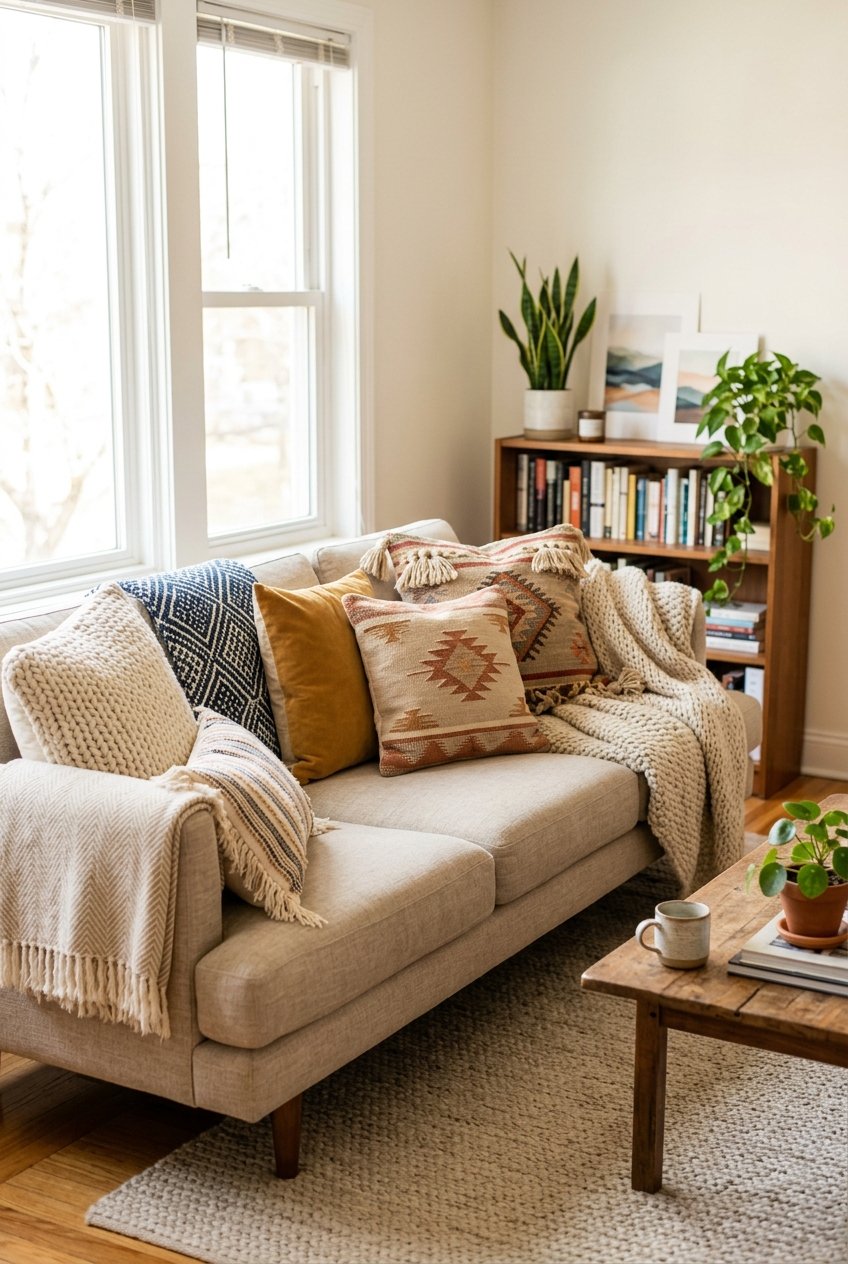
Layer throw pillows in different fabrics—linen, velvet, knit—to add depth and warmth. Mixing sizes and patterns keeps things interesting but not chaotic.
A soft throw blanket draped over a sofa or chair invites use and adds color. Natural tones or a bold accent can both work, depending on your palette.
Switch out textures seasonally: lighter cottons for summer, heavier wools or faux fur in winter. This little update keeps the space feeling fresh.
4) Choose statement mirrors to enlarge space
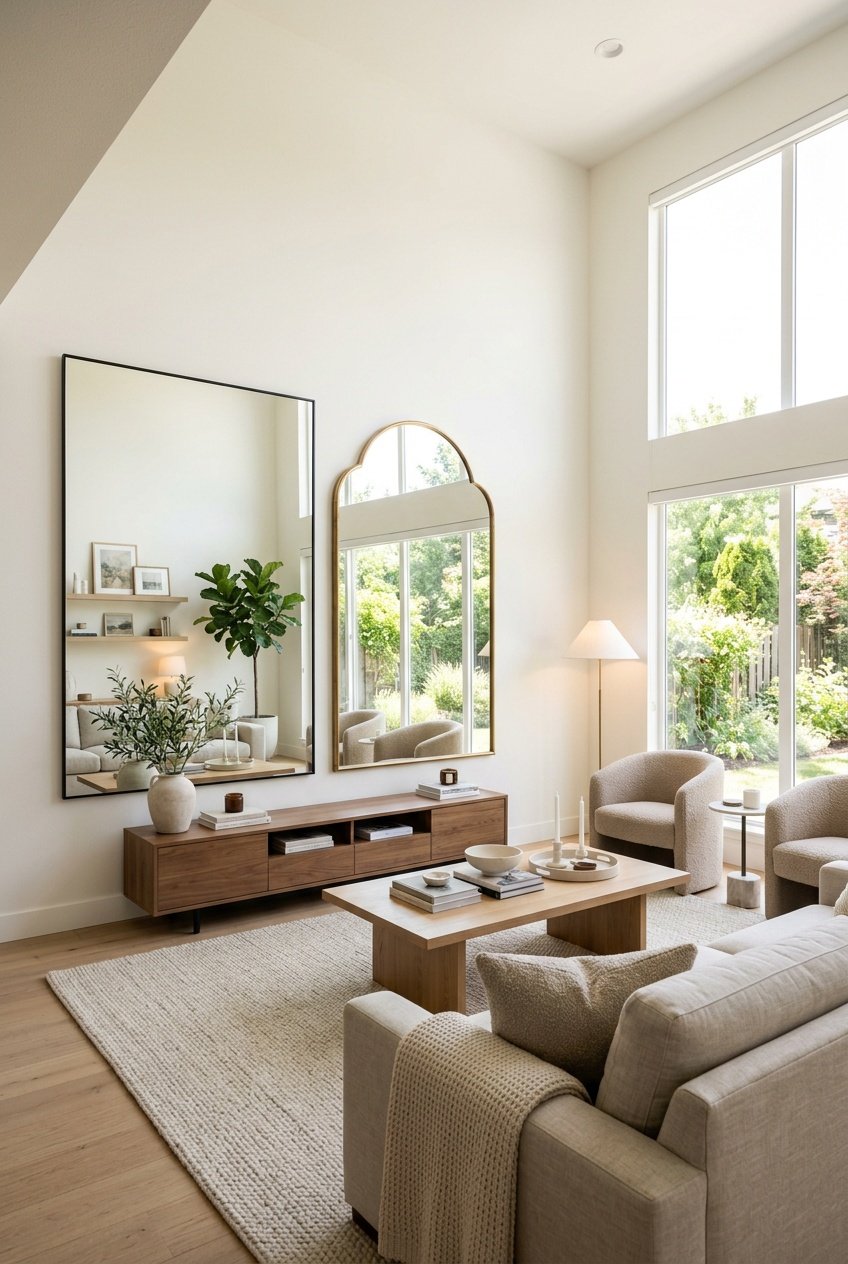
Place a large mirror where natural light comes in to reflect brightness and make rooms feel bigger. A bold frame or unique shape can be a statement without adding clutter.
Lean a tall mirror against a wall for depth, or hang one above a console to double the visual space. Placing mirrors opposite windows or seating helps amplify light and view.
5) Mix vintage with modern furniture pieces
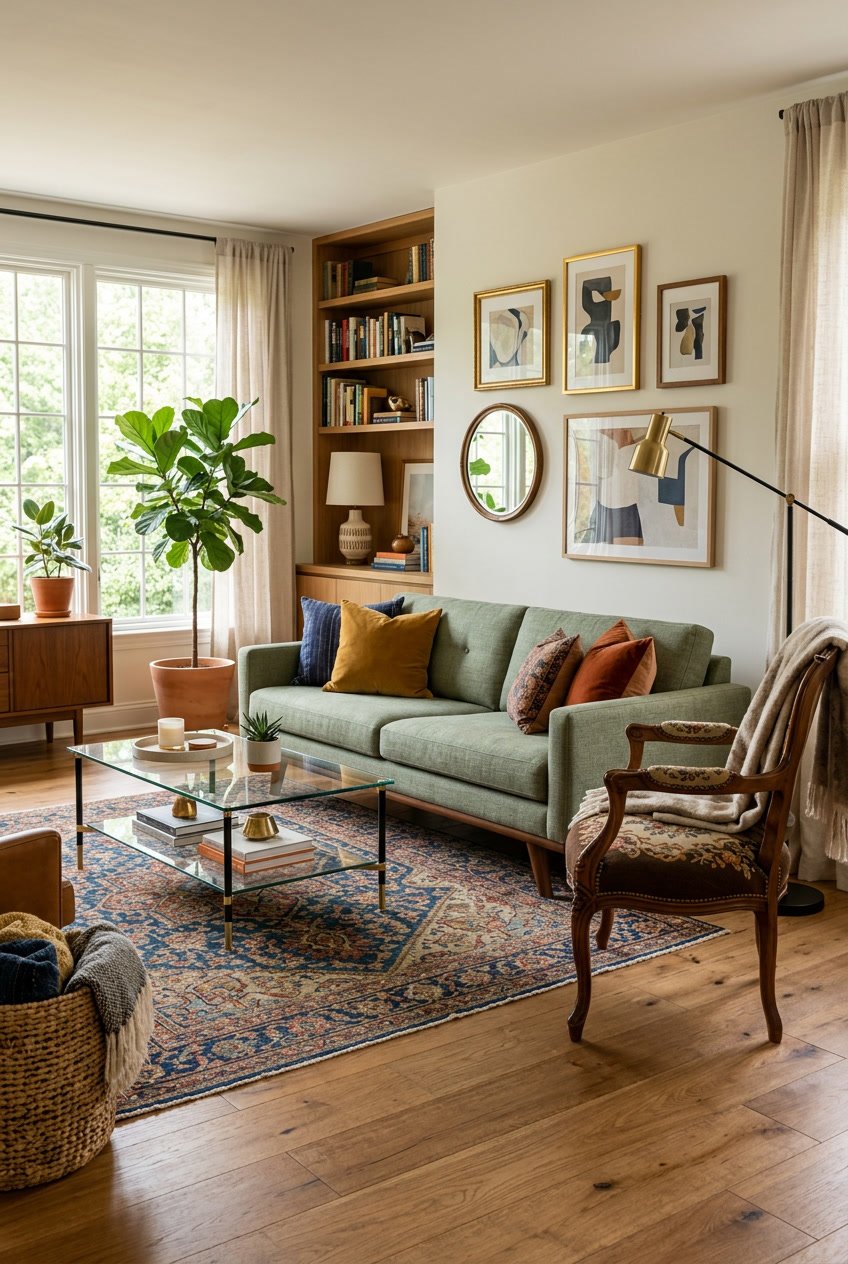
Pair a bold vintage piece with simple modern furniture to create balance. A single antique chair or rug can add warmth without overcrowding things.
Match colors and scale so everything feels intentional. Clean lines on modern items let vintage textures or patina stand out.
Repeat a unifying color or material to tie both styles together. Small decor accents can echo the vintage piece and help the room feel pulled together.
6) Install floating shelves for display
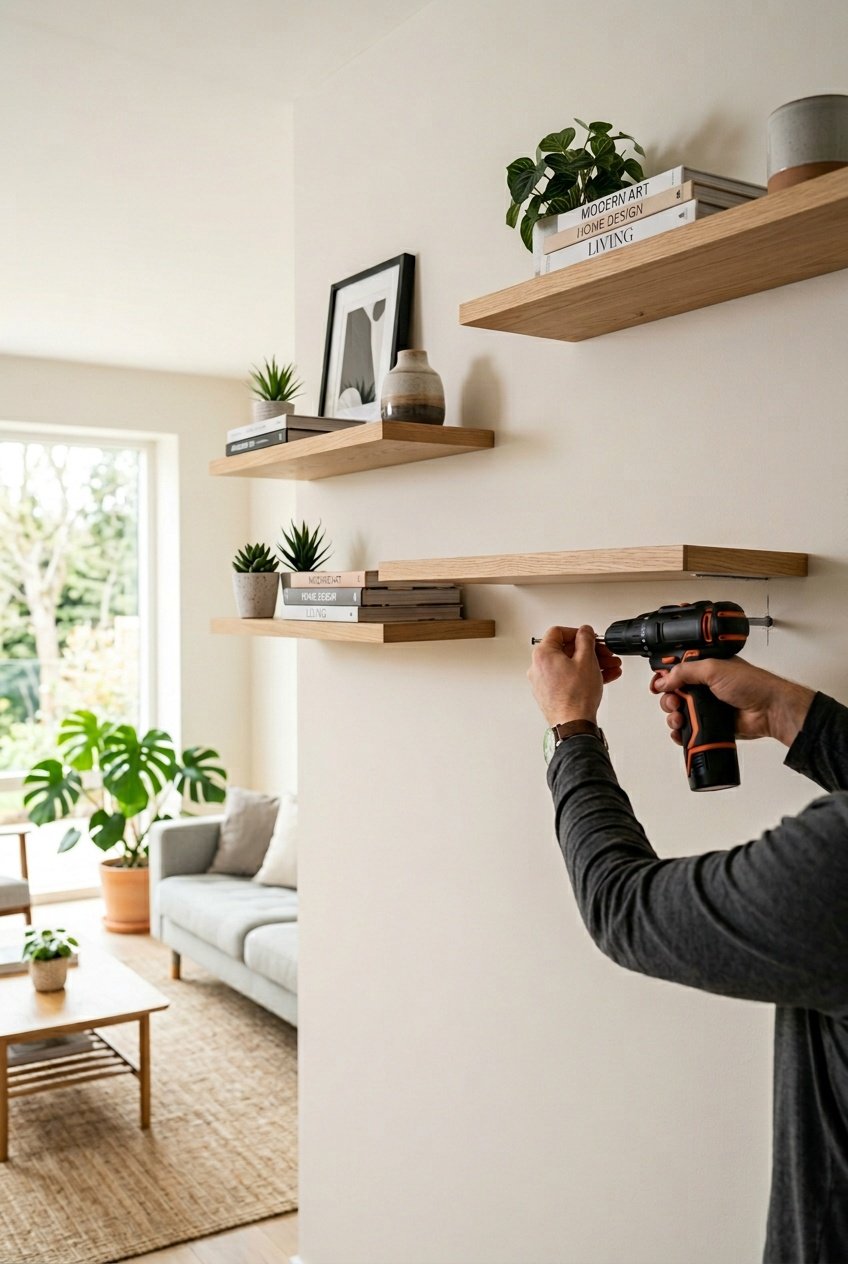
Floating shelves add storage and let you show off items without chunky brackets. They work well in kitchens, living rooms, and bathrooms.
Arrange books, plants, or ceramics to create a neat focal point. LED strips or under-shelf lights can highlight art or collections.
They’re pretty easy to install with basic tools and wall anchors. Choose sturdy materials and make sure shelves are level for safety and a clean look.
7) Use natural wood accents
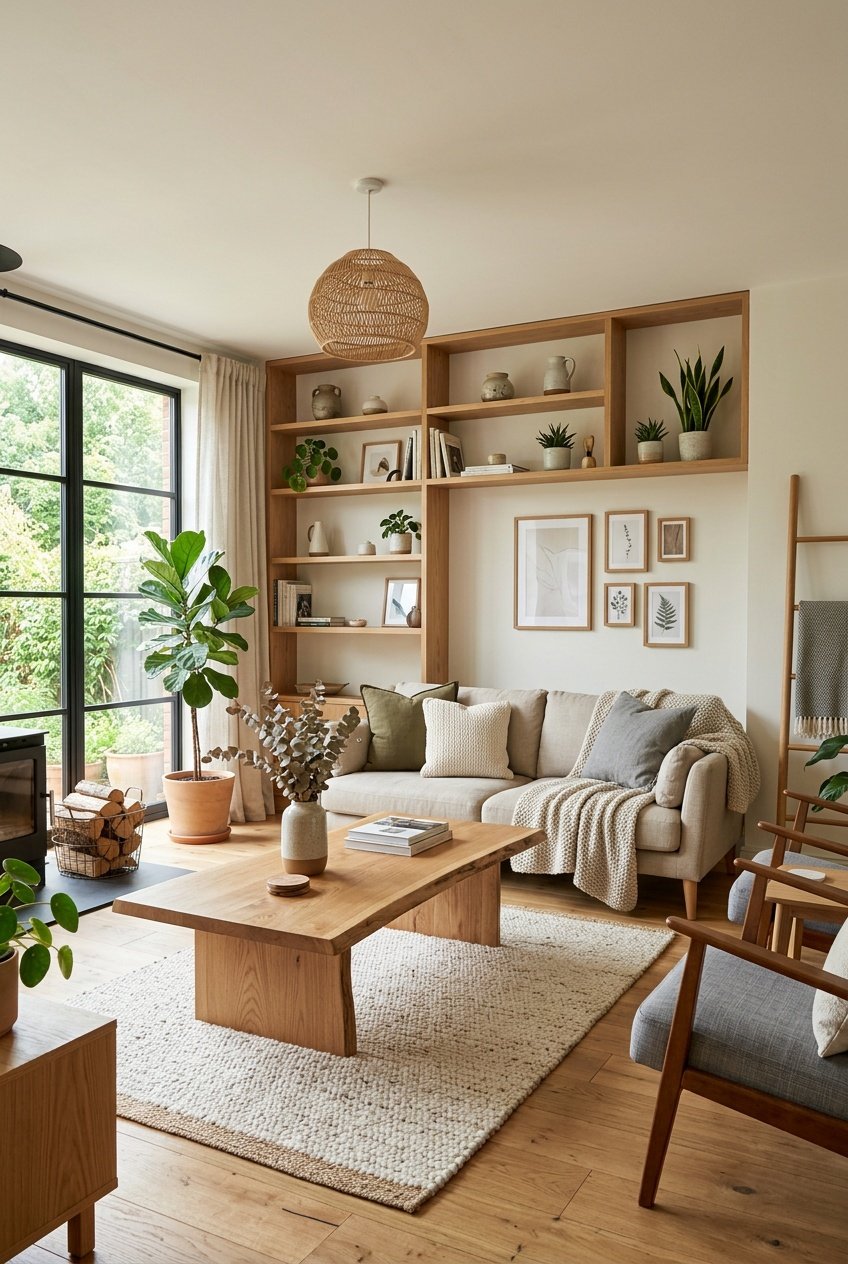
Natural wood accents add warmth and texture without taking over. Small pieces like shelves, frames, or a live-edge coffee table bring in organic lines and grain.
Mix wood tones with metal or fabric to keep things balanced. Reclaimed or unfinished wood can give a little rustic character.
8) Incorporate indoor plants for freshness
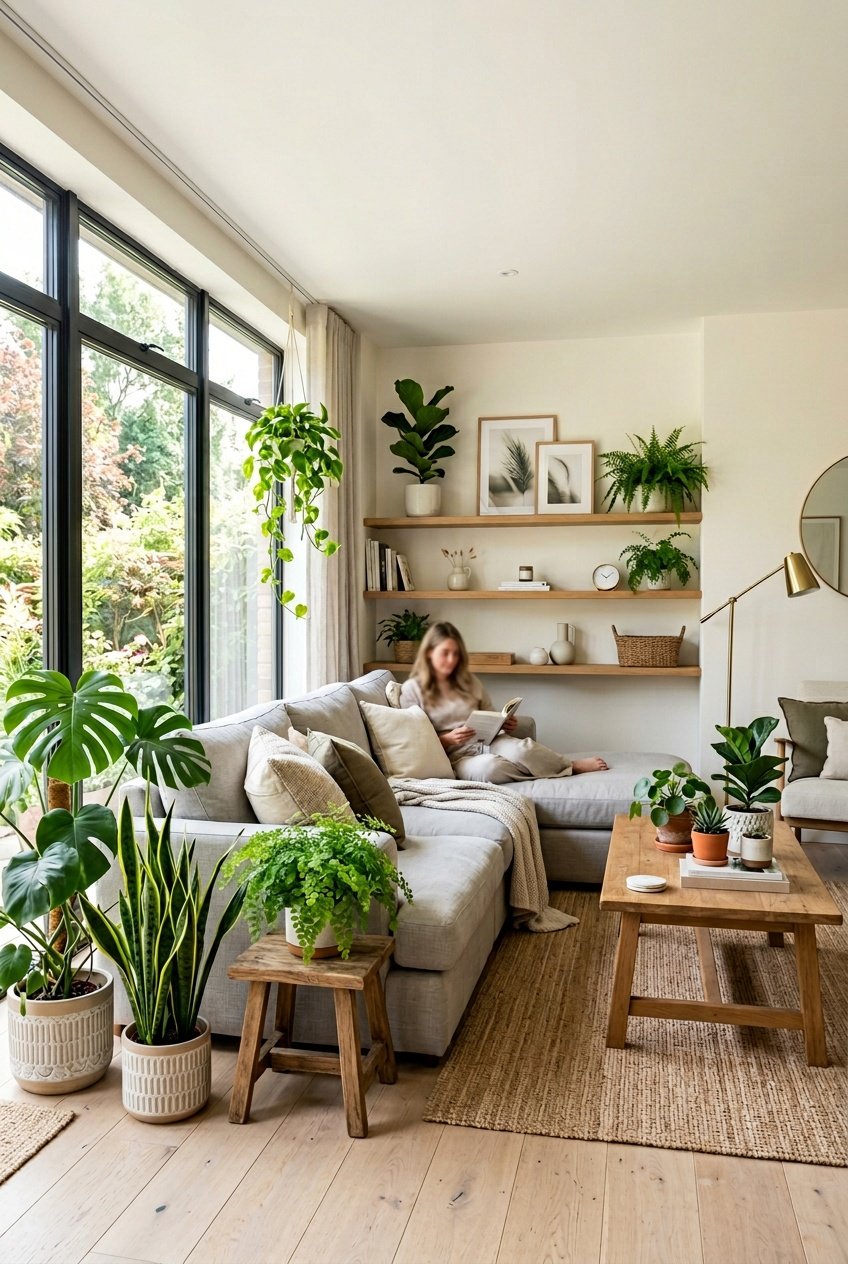
Indoor plants add color and lift the mood without much fuss. Small potted plants on windowsills or shelves bring life to empty corners.
Pick low-maintenance varieties like snake plants or pothos if you’re new to this. Grouping different heights creates interest and a tidy focal point.
Herbs in the kitchen are handy and smell good. Rotate plants for even light and trim dead leaves to keep them healthy.
9) Opt for monochrome color schemes
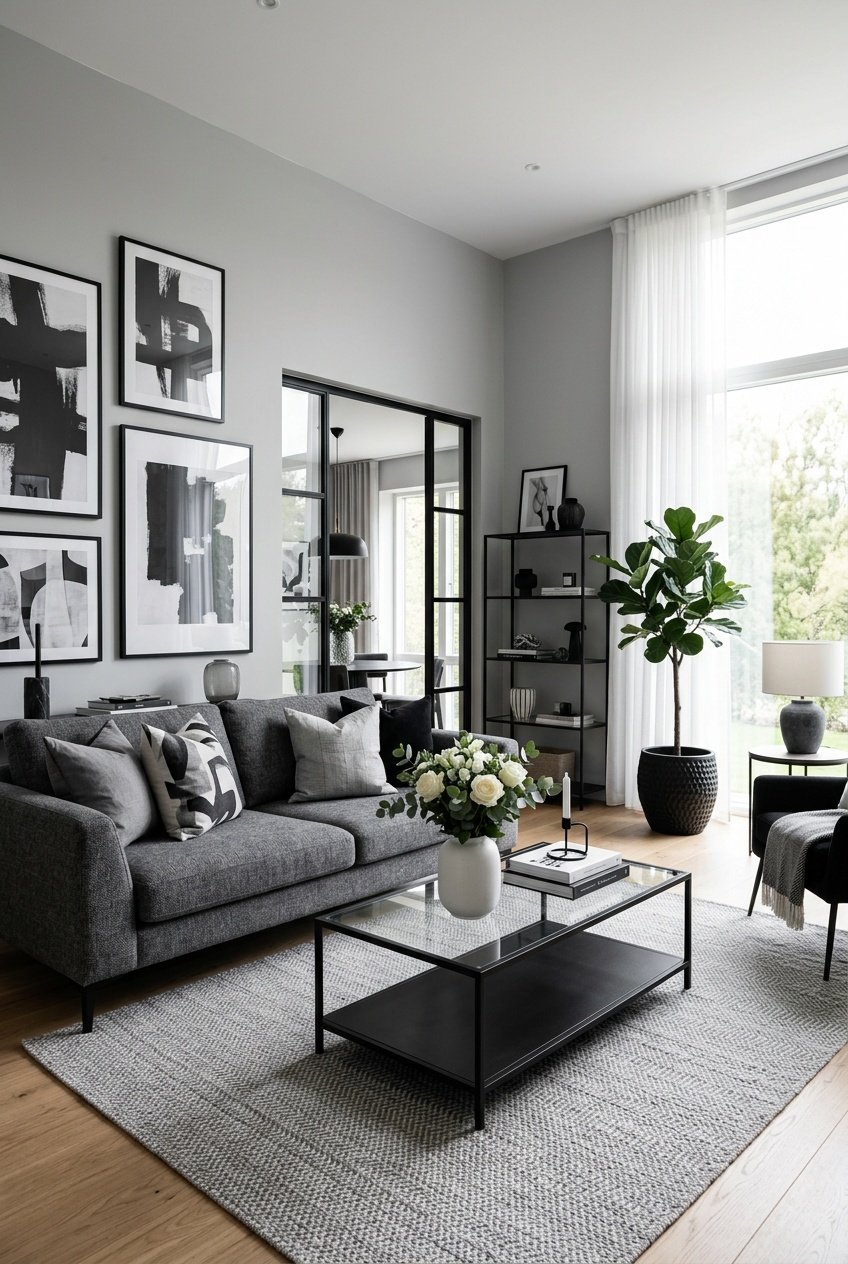
Pick one color and use its tints, shades, and tones across the room for a calm, unified look. It makes styling easier and helps furniture and art feel coordinated.
Monochrome schemes get depth from mixing textures and finishes—think matte walls with glossy accents. Light and dark variations keep things from feeling flat.
10) Create a gallery wall with art prints
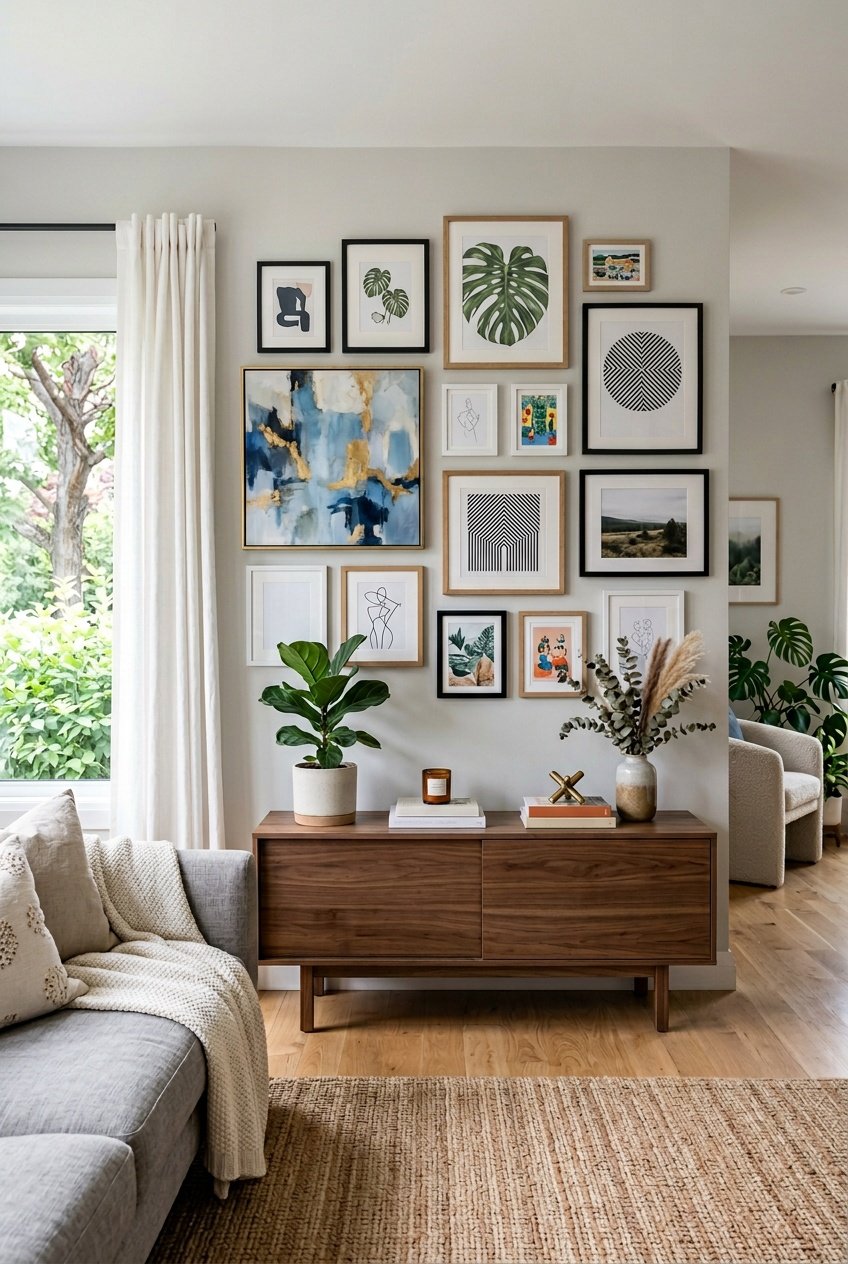
Arrange art prints in a loose grid or freeform cluster to fit the room. Mixing sizes and frame styles adds interest without overwhelming the space.
Plan the layout on the floor first, then snap a photo for reference. Proper spacing and a consistent height help the display feel intentional.
Include prints, photos, or small objects that reflect your taste. Simple frames and a limited color palette keep the wall cohesive.
11) Add metallic finishes in decor items
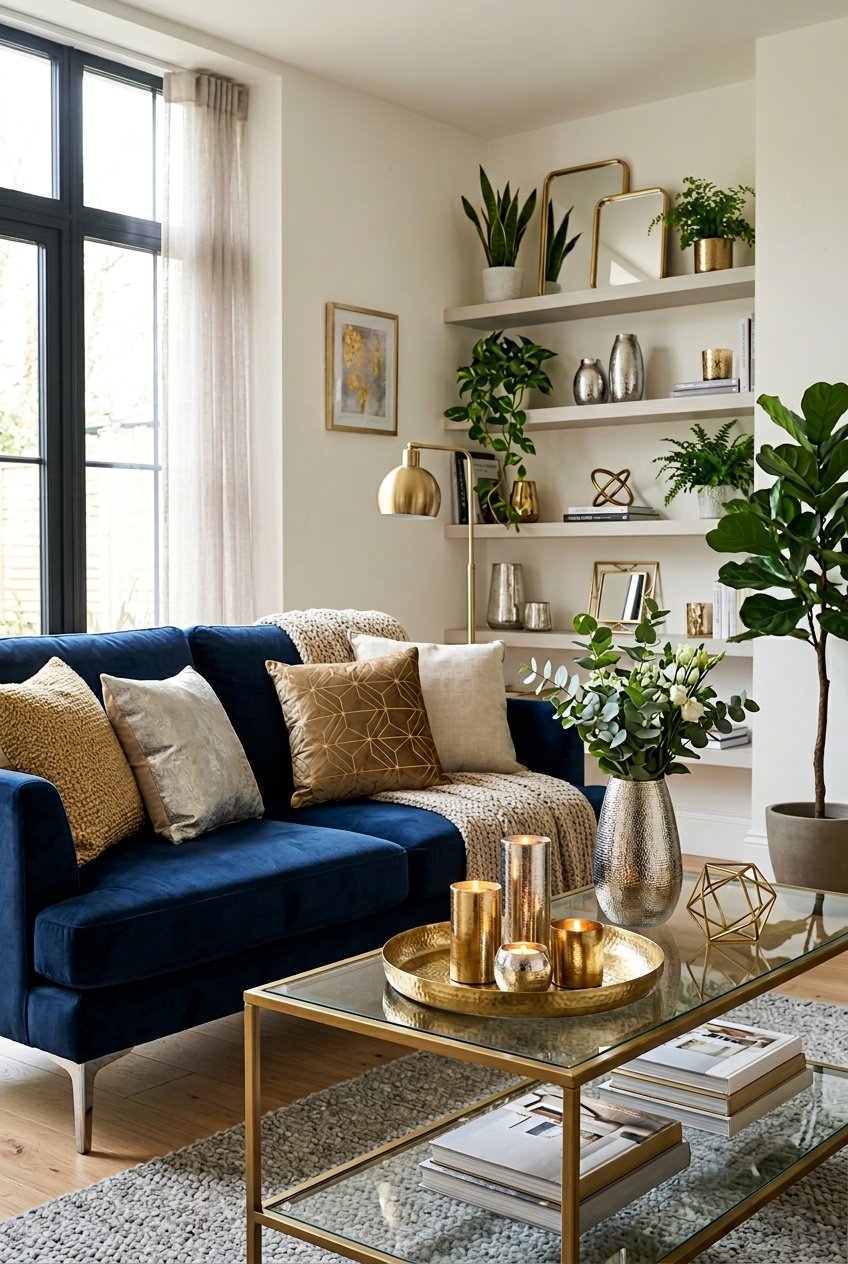
Bring in some warmth and shine with metallic decor. Small pieces like lamps, frames, or trays catch the light and add interest.
Mix gold, silver, brass, or black metal for contrast, but keep a unifying tone. Textiles and matte surfaces help balance out the shine.
Pick one bold metallic piece as a focal point. Then layer in subtler items for depth and a polished look.
12) Use patterned rugs to define zones
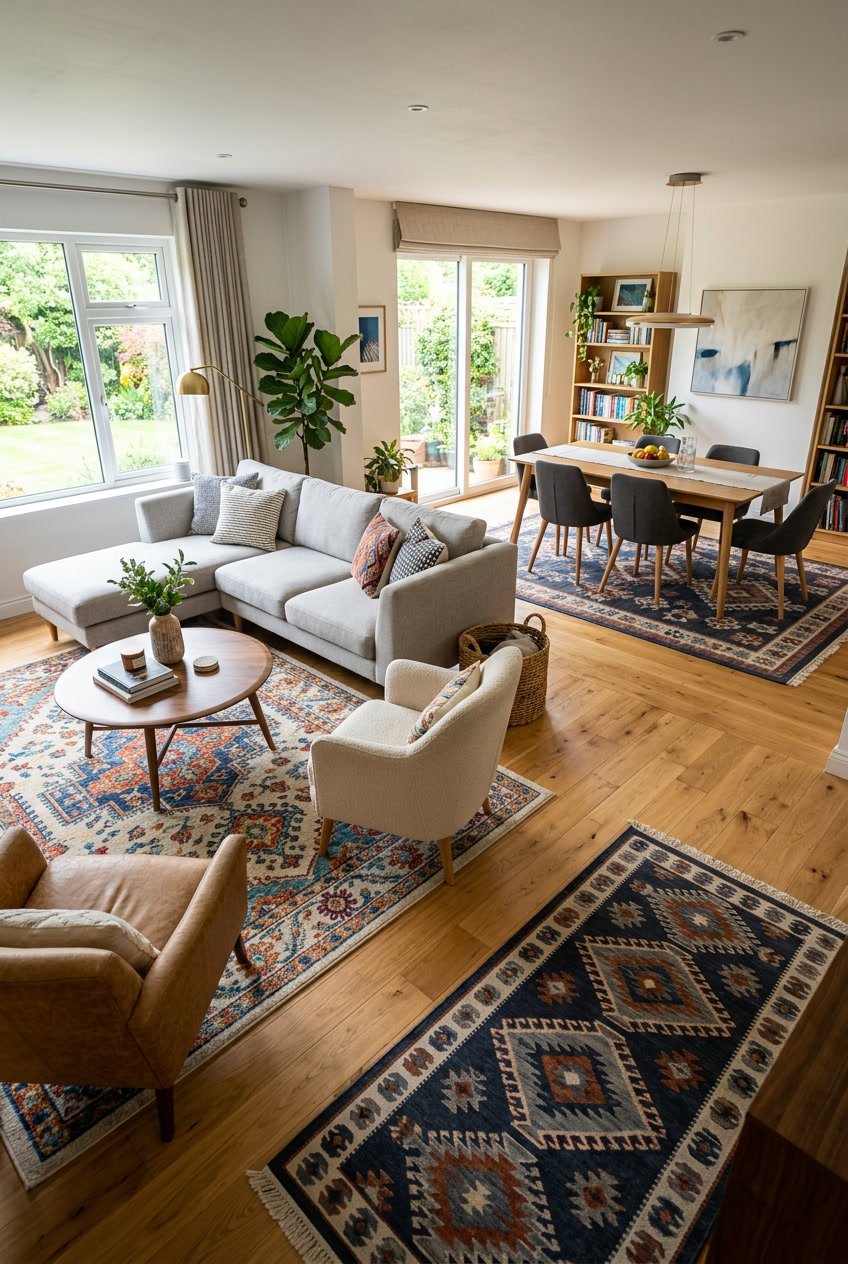
Patterned rugs help mark out different areas in an open room, no walls needed. Bold prints can anchor seating or dining spots and make each zone clear.
Mix rug sizes and patterns for flow and balance. Layer a smaller patterned rug over a neutral base to add depth without clutter.
Pick patterns that match the room’s mood—geometric for modern, floral for cozy. Rugs also help with sound and make things feel comfy underfoot.
13) Incorporate smart home lighting
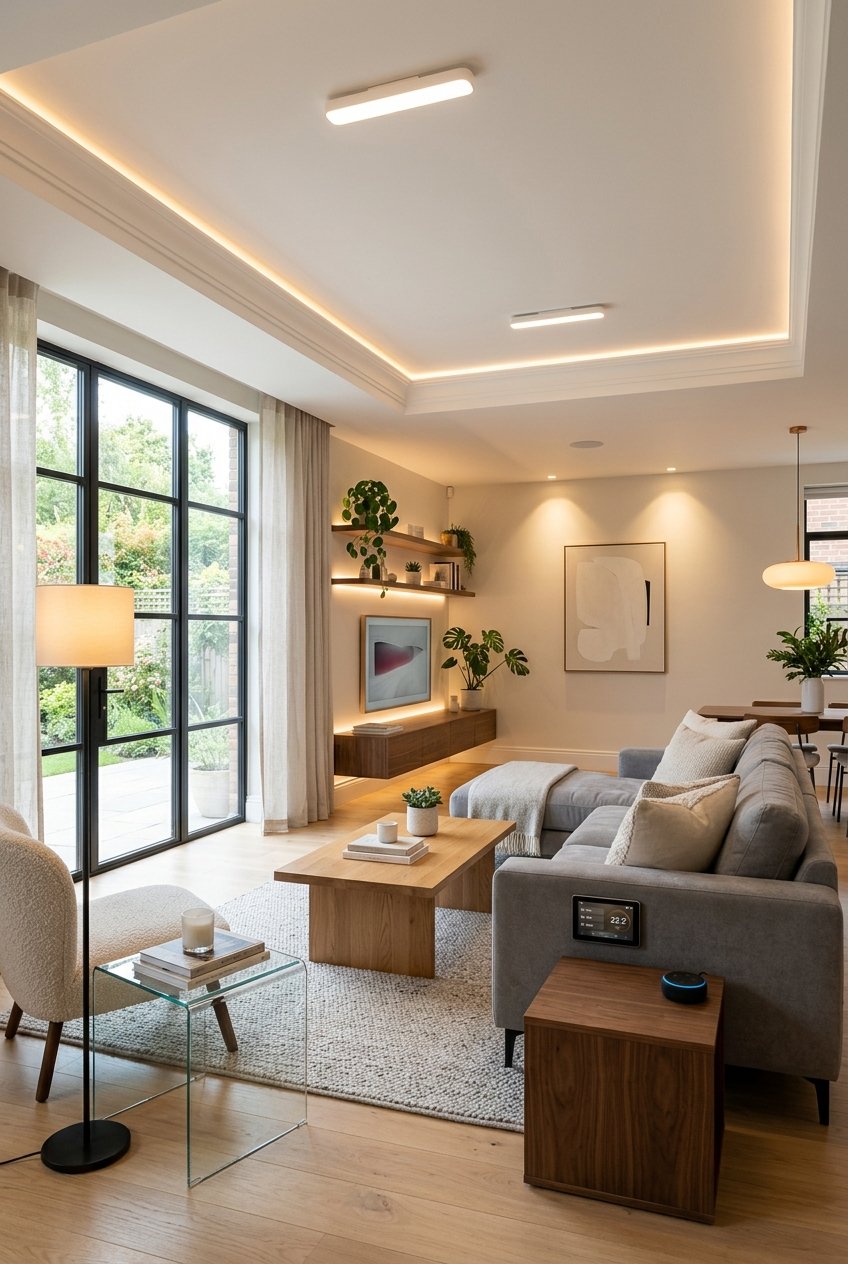
Smart bulbs and light strips let you change color and brightness for different moods. Schedules and motion sensors save energy and make rooms feel more alive.
Hide smart lighting in coves or behind furniture to blend with decor. It’s easy to control with voice assistants or apps—pretty handy, honestly.
14) Add decorative baskets for storage
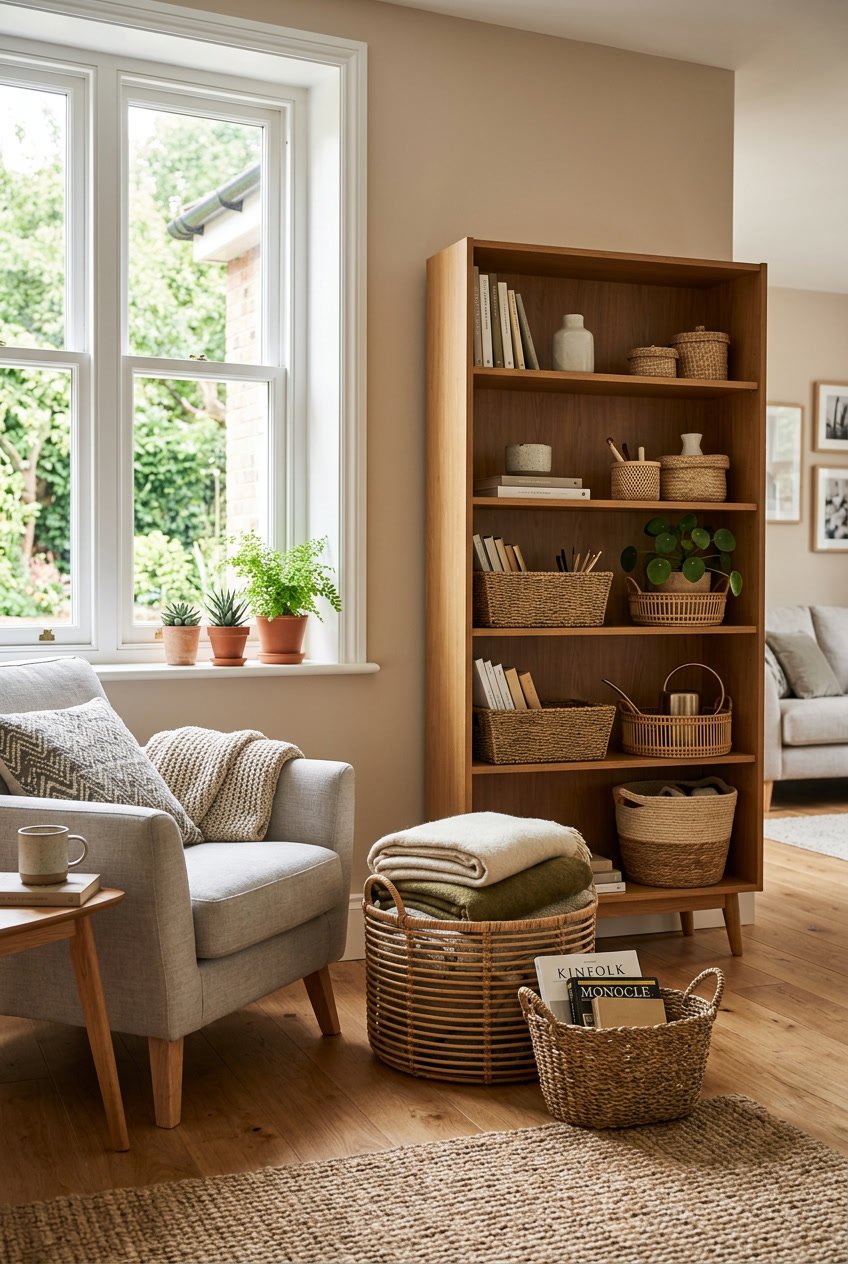
Baskets bring texture and warmth while hiding clutter. Woven, wire, or fabric baskets slide into shelves, entryways, and bathrooms easily.
Put a basket by the door for shoes or umbrellas. Use smaller ones on shelves for mail, toys, or toiletries.
Baskets can match your room colors or add a little contrast. They make storage look cared for without much fuss.
15) Use sheer curtains for natural light
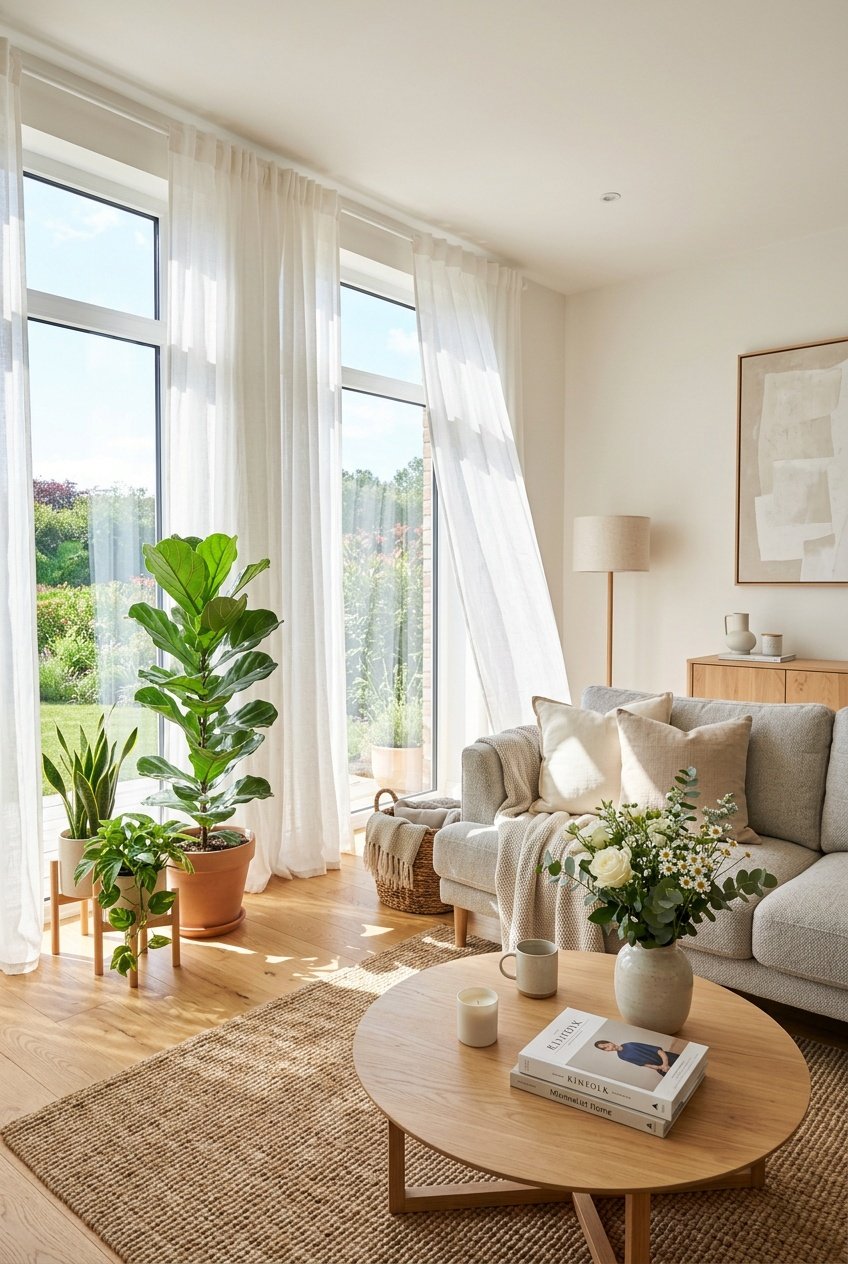
Sheer curtains let in daylight while keeping things private. They soften harsh sun and reduce glare, but don’t darken the space.
Layer them with heavier drapes for privacy at night. Light colors and breathable fabrics keep rooms bright and airy.
Sheers suit living rooms, bedrooms, and any spot where you want more light. They create a calm, open vibe that fits a lot of styles.
16) Incorporate Scandinavian minimalism
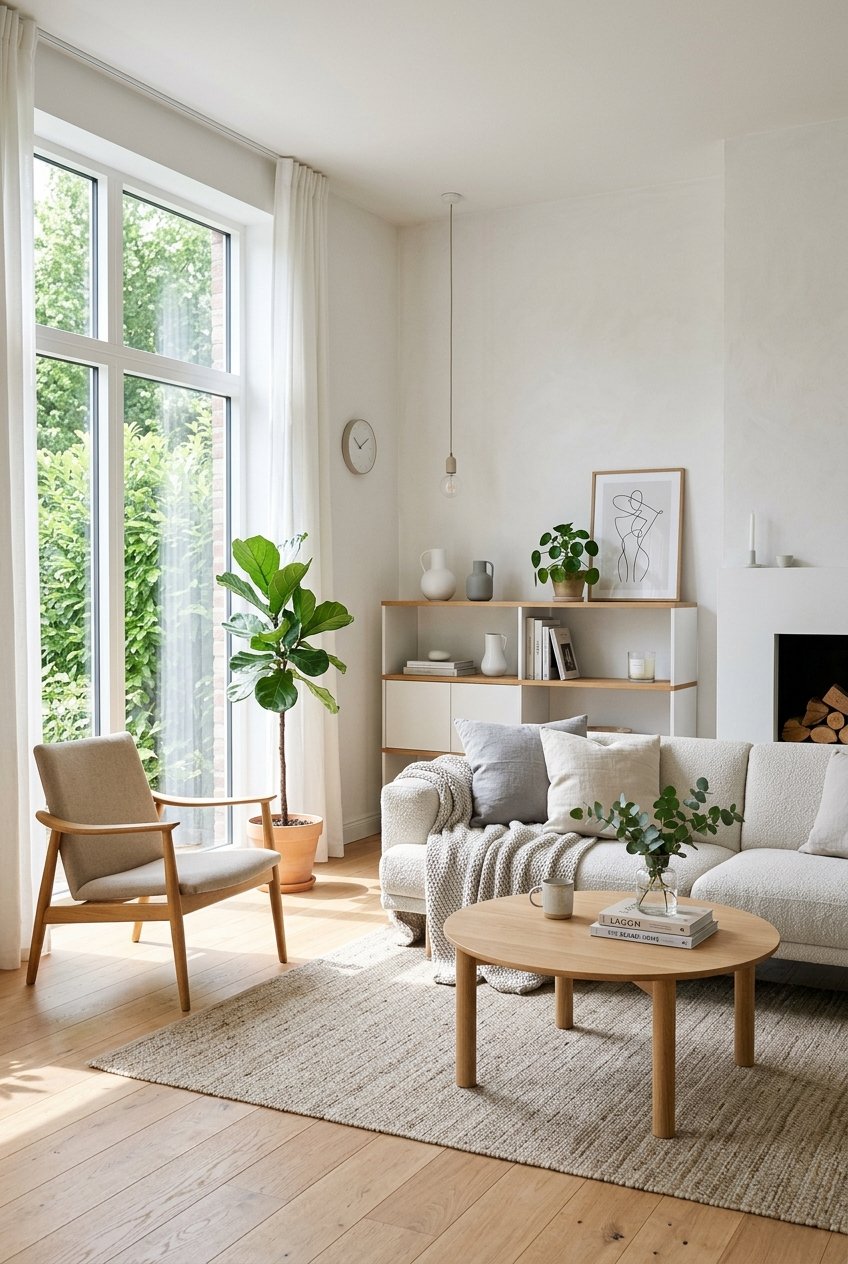
Scandinavian minimalism focuses on clean lines, neutral colors, and natural light to keep rooms calm and uncluttered. Furniture stays simple and functional, with wood tones and soft textiles for a bit of warmth.
Keep only what serves a purpose or genuinely brings you joy. Small plants and textured throws can add coziness without making things feel crowded.
17) Create a cozy reading nook
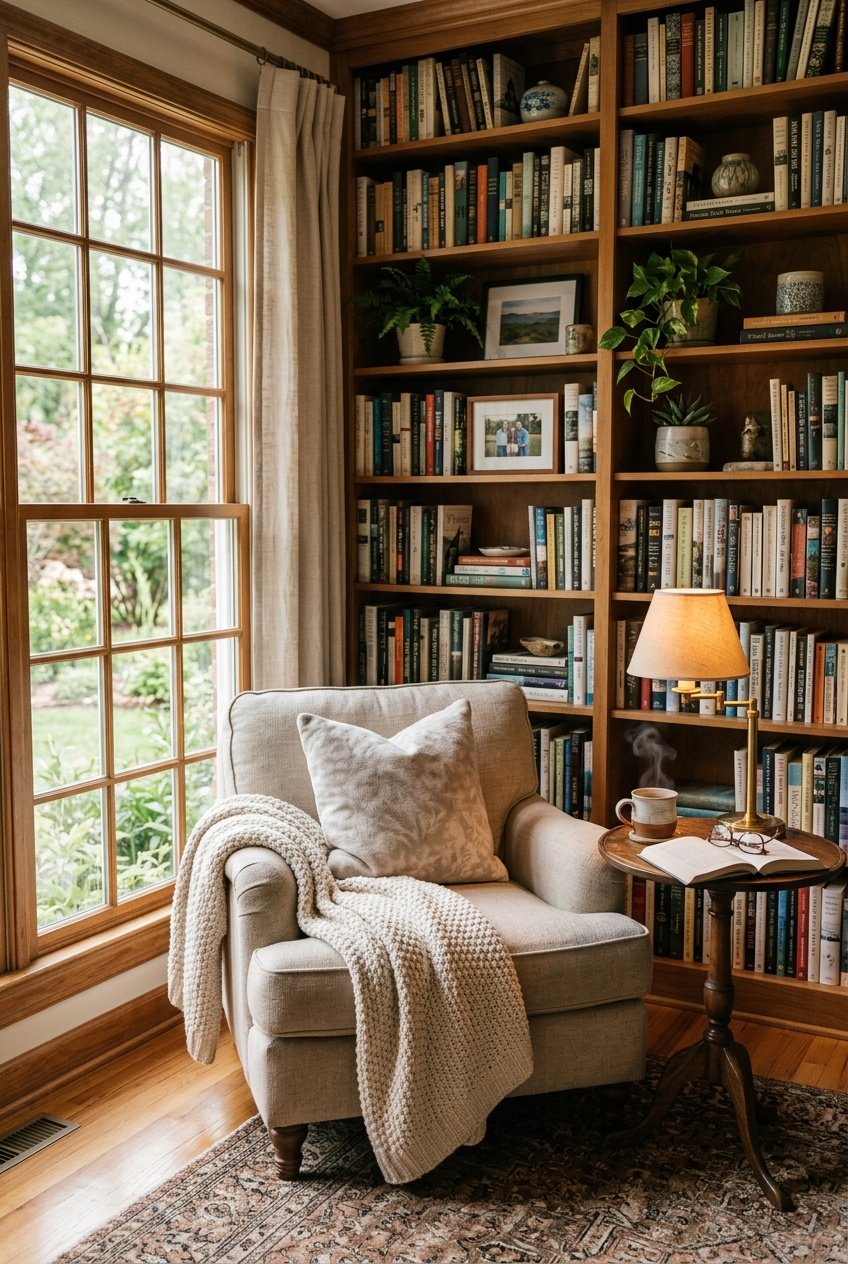
Why not carve out a quiet corner for reading? A spot by the window or in some random alcove works wonders.
Soft cushions, a throw, and warm lighting make it feel inviting. It doesn’t have to be fancy—just comfortable.
Built-in shelves or a small bookcase keep favorite reads close by. A comfy chair or window seat makes it easy to linger and get lost in a book.
18) Add bold colored cabinetry
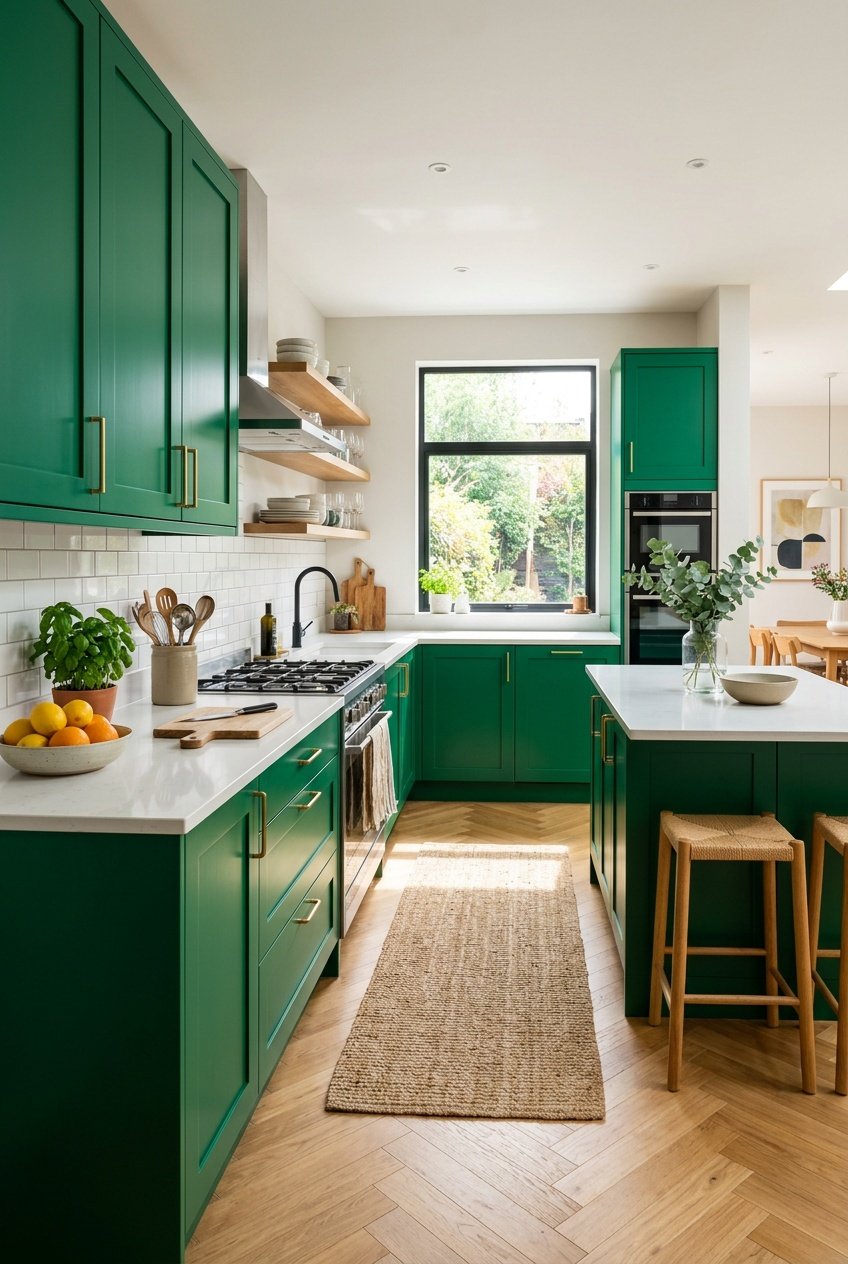
Painting cabinets in deep navy, sage green, or even terracotta instantly adds personality. Bold cabinetry grabs attention and can totally shift the vibe.
Pair these colors with neutral countertops and backsplashes to keep things balanced. Mixing a pop of color on lower cabinets with neutral uppers works especially well in tight kitchens.
Pick finishes and hardware that actually fit the room’s style. Good lighting helps the color look intentional and not just, well, loud.
19) Use geometric shaped furniture
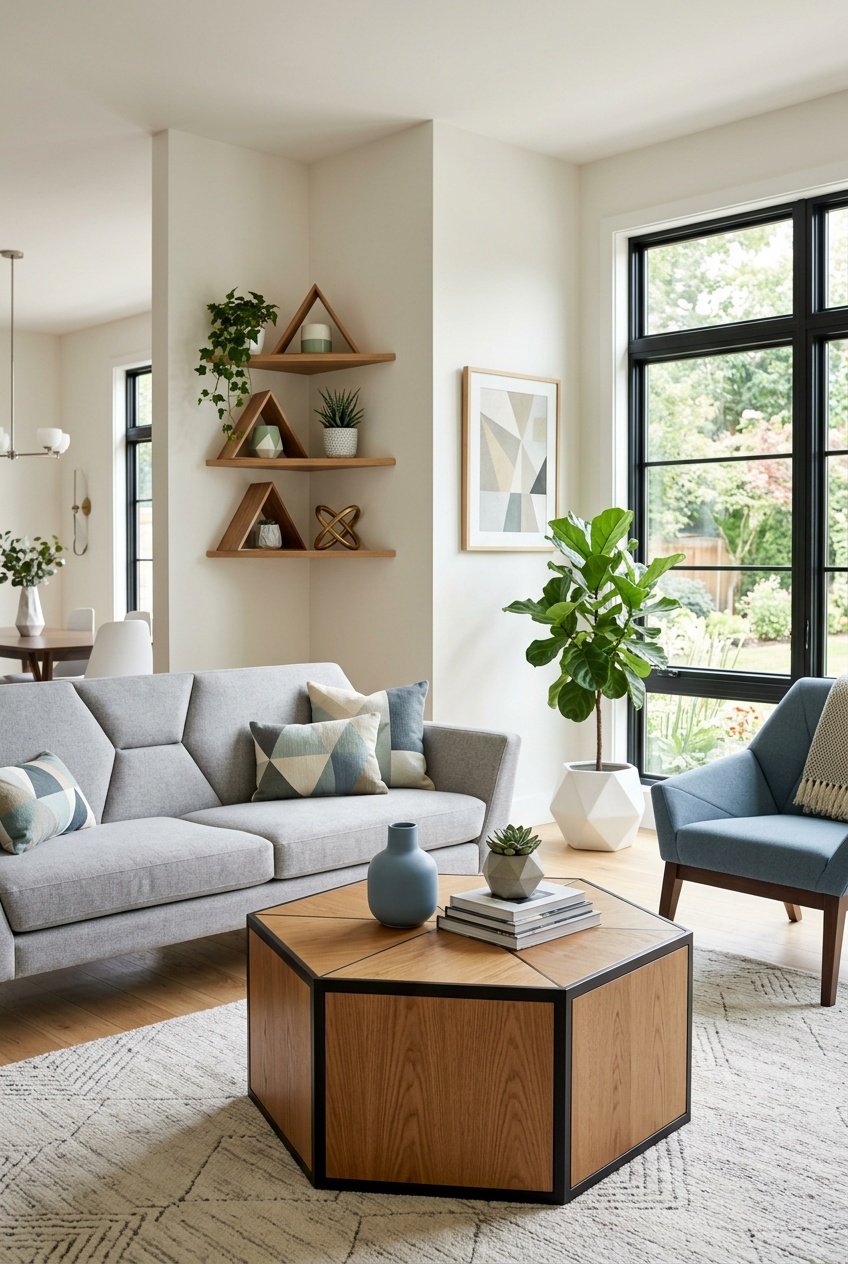
Geometric furniture adds a modern edge and brings some structure to a space. Think hex tables, triangle shelves, or chairs with bold lines—they’re eye-catching without making things feel cluttered.
These shapes can be the star of the show or just a subtle accent. They blend in with all sorts of styles, honestly.
Balance is key, though—comfort and function matter too. Durable materials and the right size keep everything practical and stylish.
20) Incorporate reclaimed wood elements
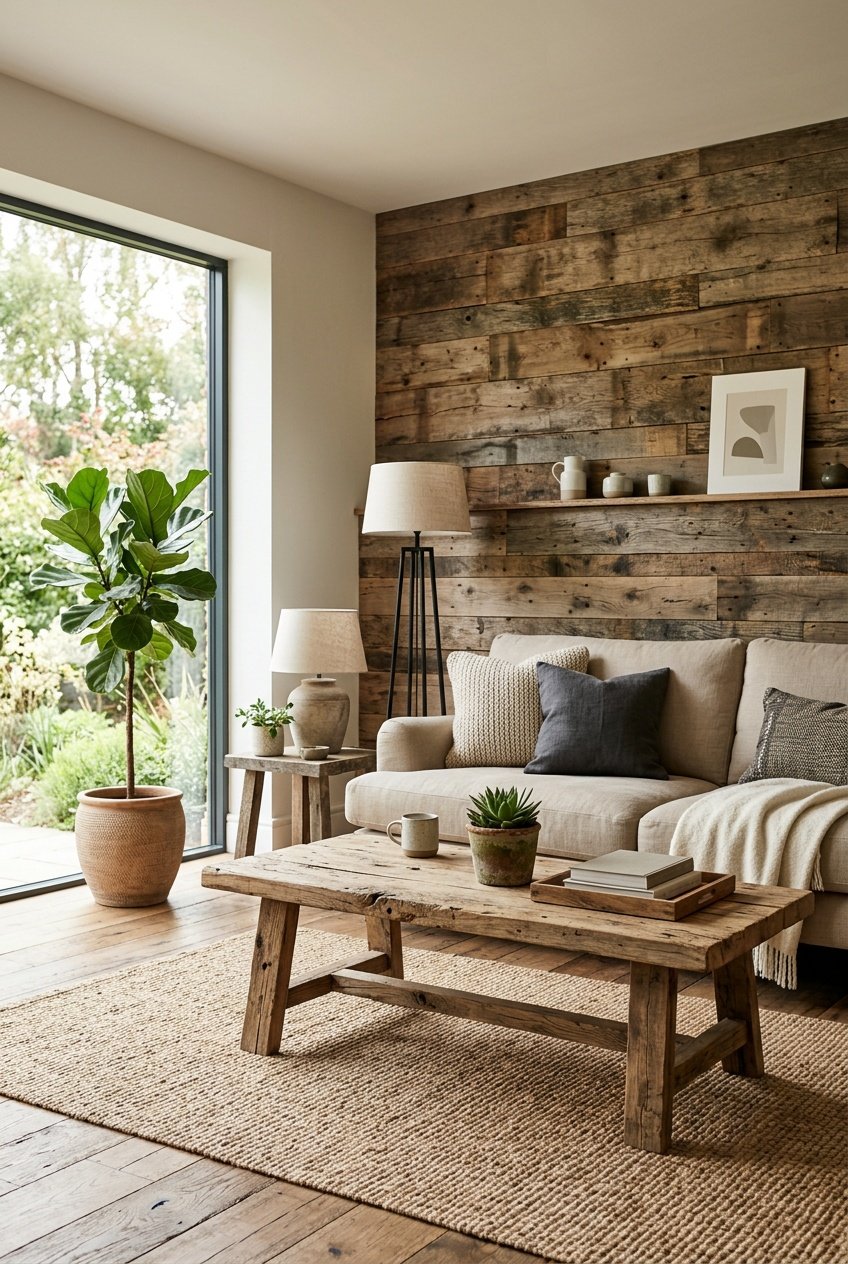
Adding reclaimed wood brings warmth and texture, no need to match every piece. Shelves, a mantel, or even an accent wall—reclaimed wood fits in easily.
Salvaged boards cut down on waste and usually have cool grain or nail marks that tell a story. Pair them with modern metal or neutral paint for a look that feels balanced, not overdone.
21) Mix matte and glossy surfaces
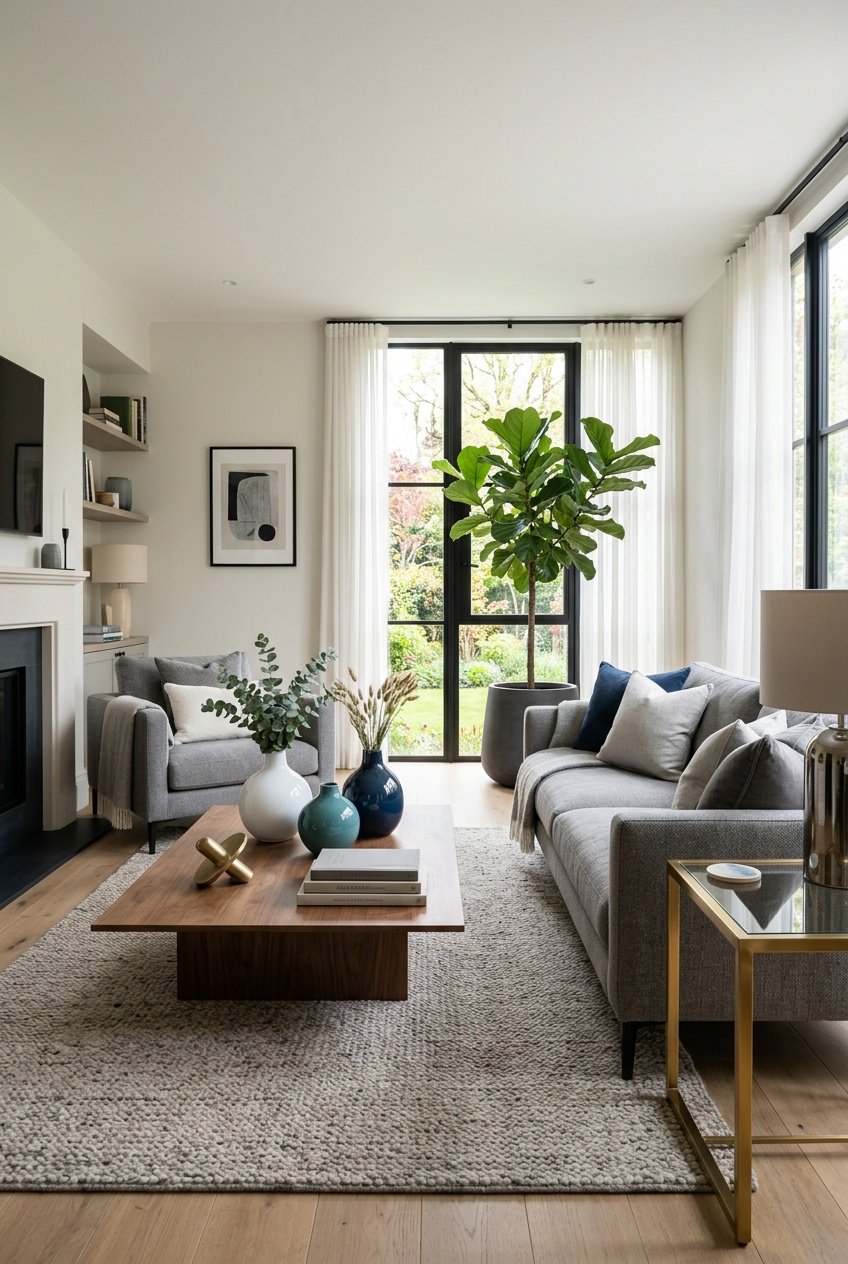
Mixing matte and glossy surfaces gives a room more depth without adding extra color. Matte walls feel calm, while glossy accents catch the light and draw the eye.
Try glossy tiles, a shiny coffee table, or polished fixtures next to matte cabinetry or plaster. Keeping bigger surfaces matte and smaller details glossy keeps things looking modern.
22) Add a feature ceiling with paint or panels
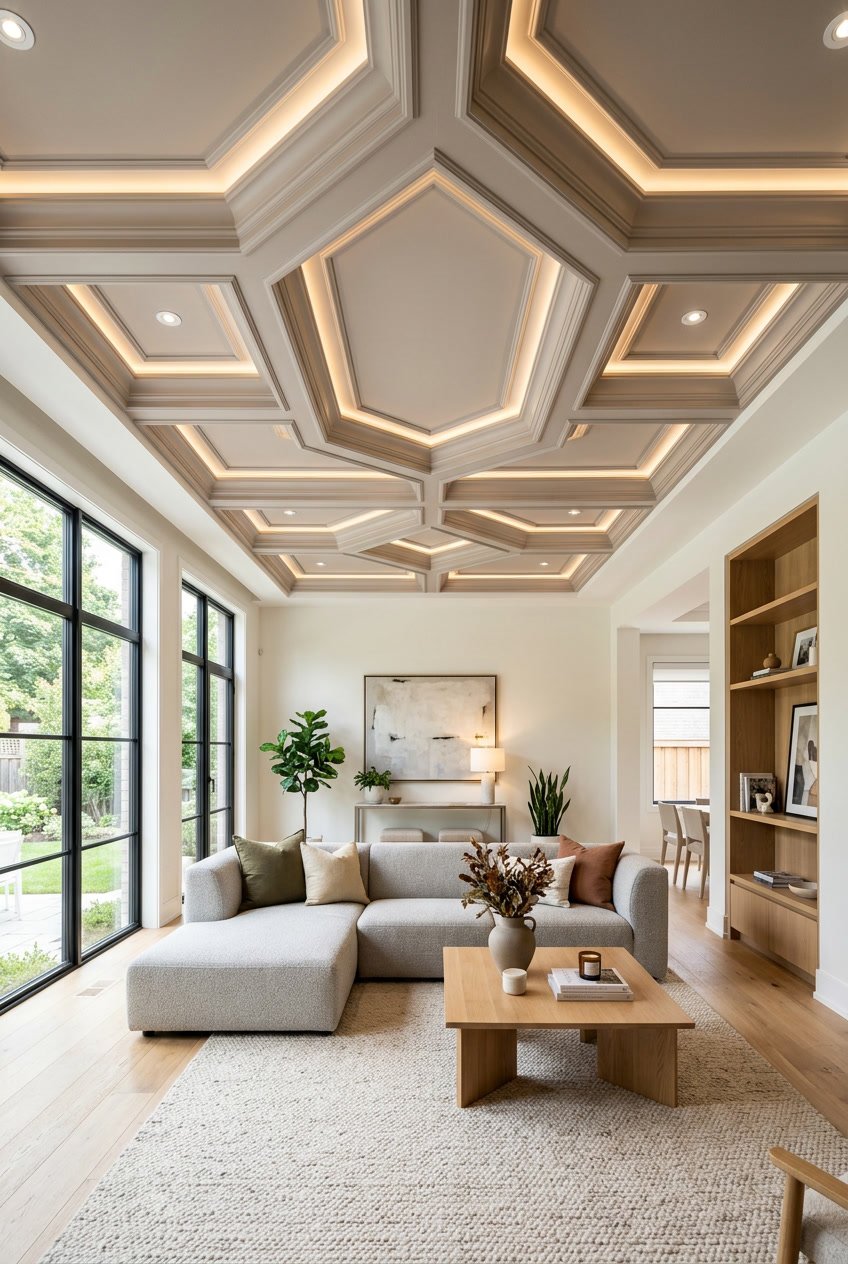
Turning the ceiling into a focal point is honestly underrated. Bold paint or patterned wallpaper can totally lift a room with minimal effort.
Panels, beadboard, or tin tiles add texture and cover up flaws. These tricks work in living rooms, dining spaces, and bedrooms.
Pay attention to scale and trim so the ceiling feels like it belongs. Lighting and simple molding help the new look feel intentional, not chaotic.
23) Use open shelving in kitchens
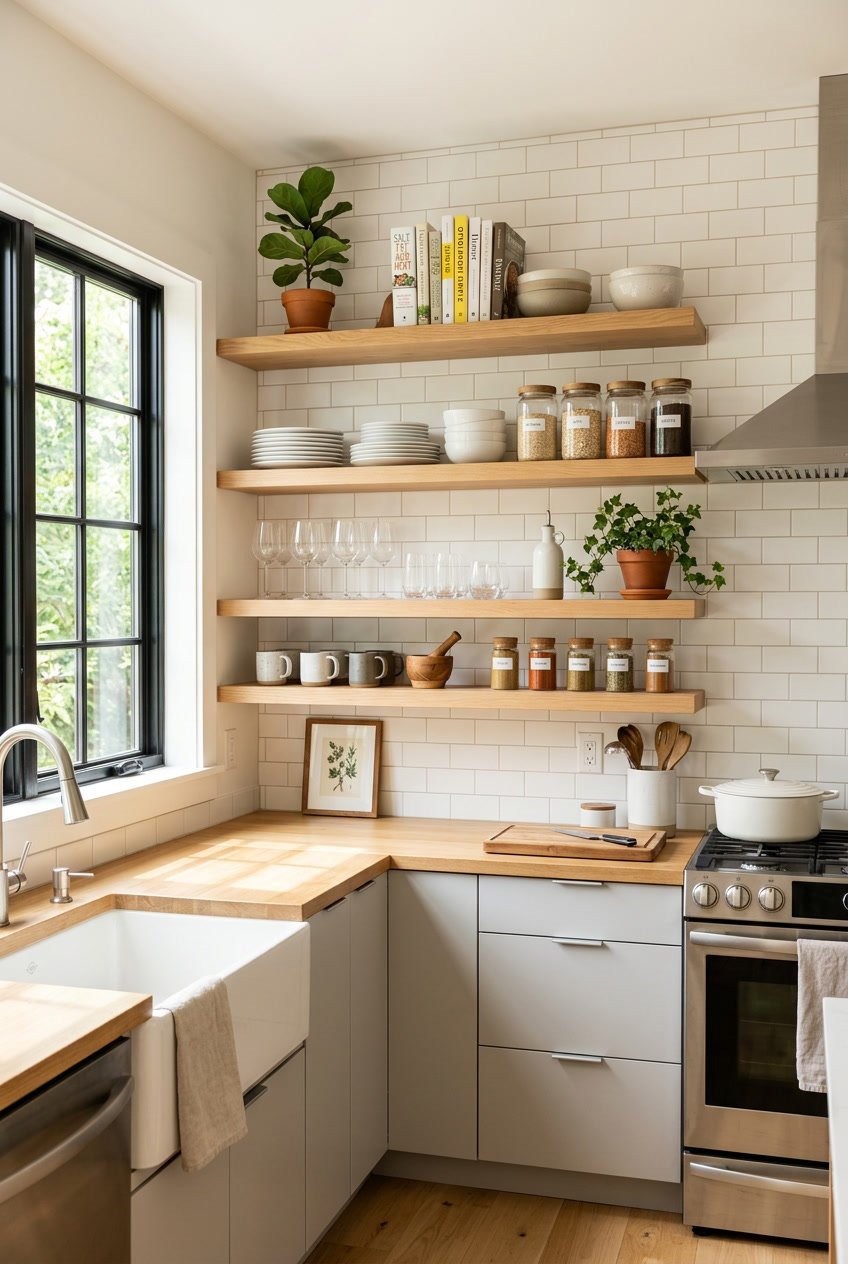
Open shelves in a kitchen make the whole space feel lighter. It’s a nice way to show off favorite dishes and keep daily stuff handy.
They’re great for small kitchens and fit lots of styles, from modern to rustic. Just keep shelves tidy and don’t overload them—nobody wants a shelf avalanche.
24) Add custom built-ins for functionality
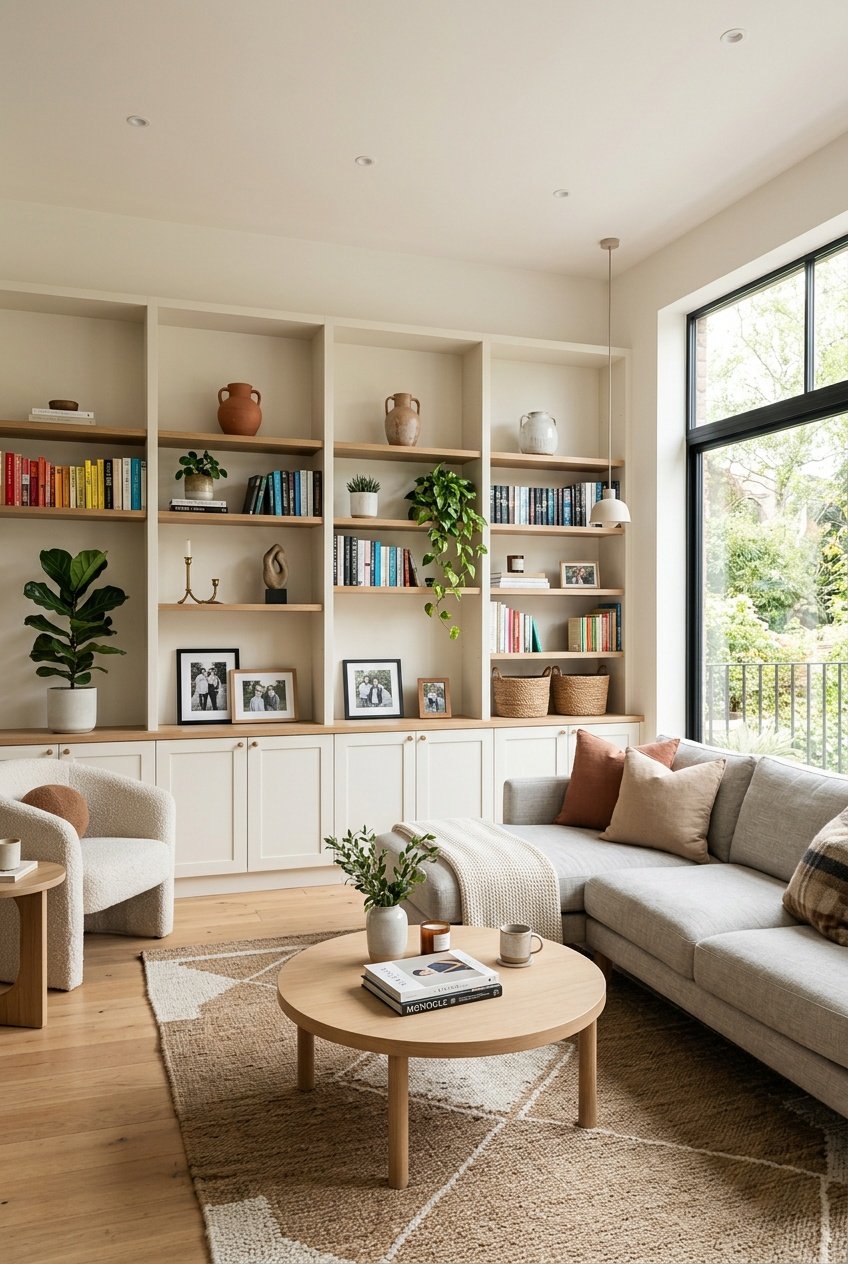
Custom built-ins make use of awkward spaces and keep things organized. They add storage without crowding a room with extra furniture.
Try shelves, window seats, media walls, or mudroom cubbies. Integrated lighting and closed cabinets strike a balance between display and hiding clutter.
A quick paint job or new trim detail can make built-ins look like they’ve always been there. If you want it just right, a pro can match dimensions and materials to your home’s vibe.
25) Create a home office corner with ergonomic furniture
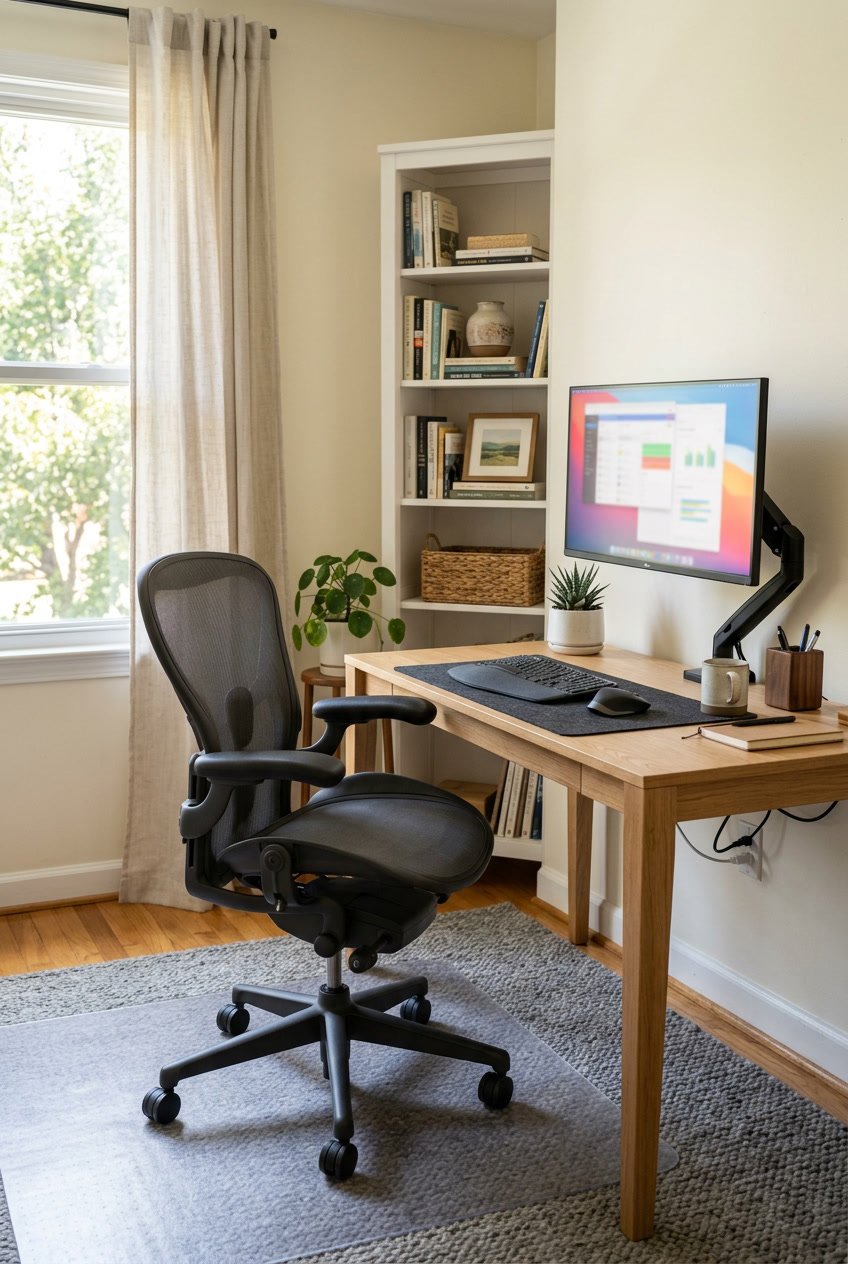
Pick a compact desk that tucks into a corner but still lets you move around. An adjustable chair is a must—your back will thank you.
Set your monitor at eye level and use a keyboard tray to avoid neck and wrist pain. Wall shelves and lighting save floor space and keep things neat.
Stick to neutral colors and simple decor for a calm, focused space. Small storage bins or trays keep clutter out of sight but essentials close by.
26) Use wallpaper on furniture pieces
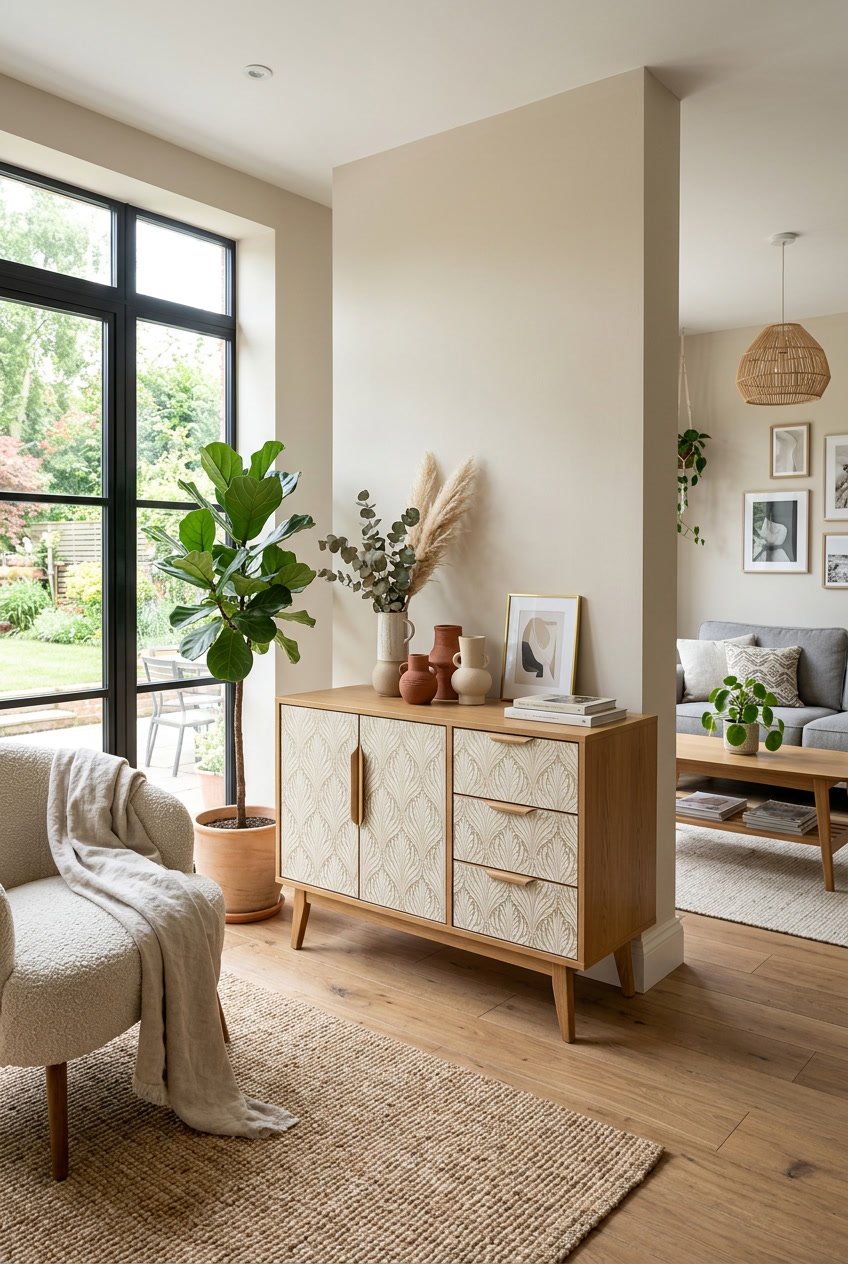
Wallpaper is a quick way to refresh dressers, tables, or shelves—no need to buy new stuff. It adds pattern and color for less money and effort.
Go for durable or non-woven wallpaper on pieces that get a lot of use. Match the scale and pattern to the furniture so it doesn’t take over the room.
Cut carefully and use a smooth adhesive or spray for clean edges. Lining drawers or the backs of shelves adds a subtle, finished touch.
27) Add layered window treatments
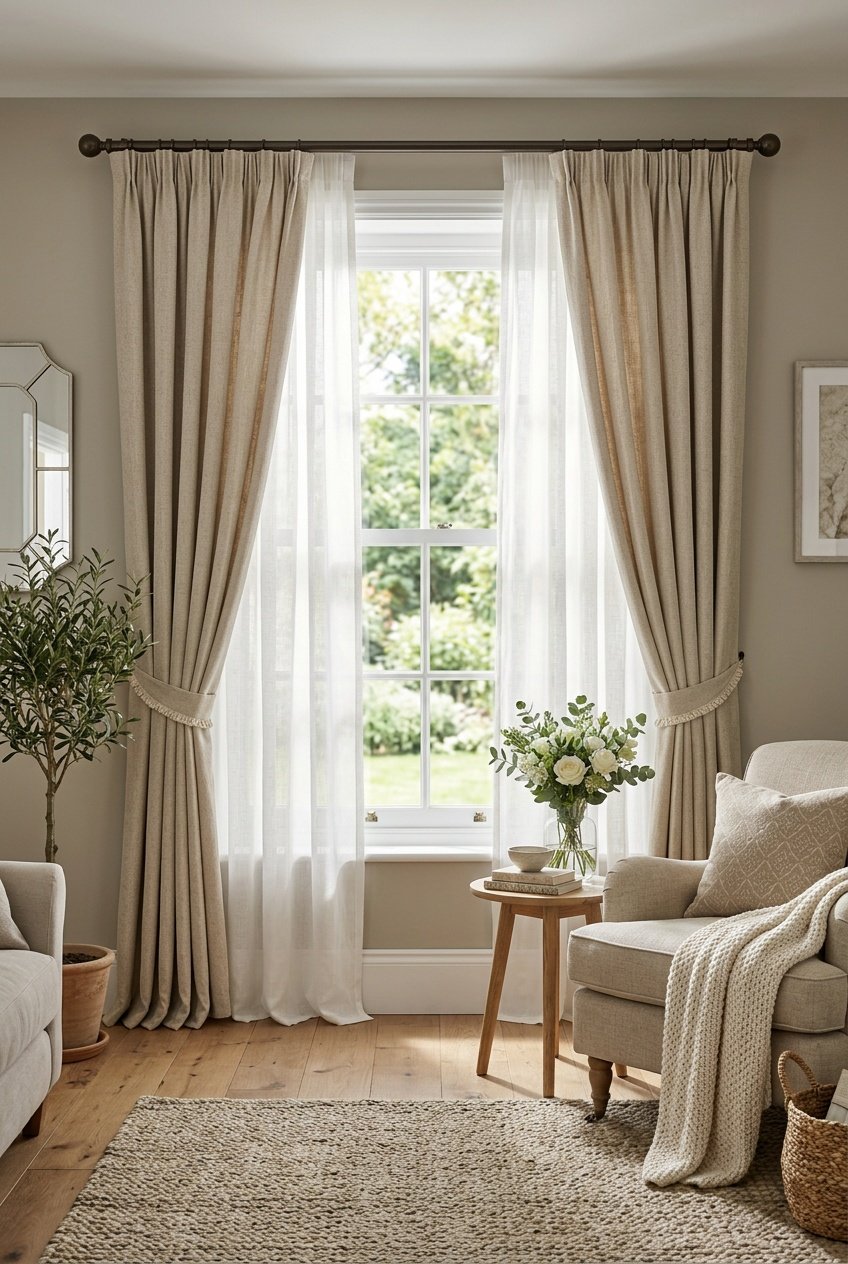
Layering blinds or shades with curtains ups the style and lets you control the light. A sheer layer softens sunlight, while heavier drapes add privacy and help with insulation.
Sheers, Roman shades, and blackout curtains can all work together, depending on the time of day. Pick colors and textures that actually fit your room so it all feels pulled together.
28) Incorporate terrazzo surfaces
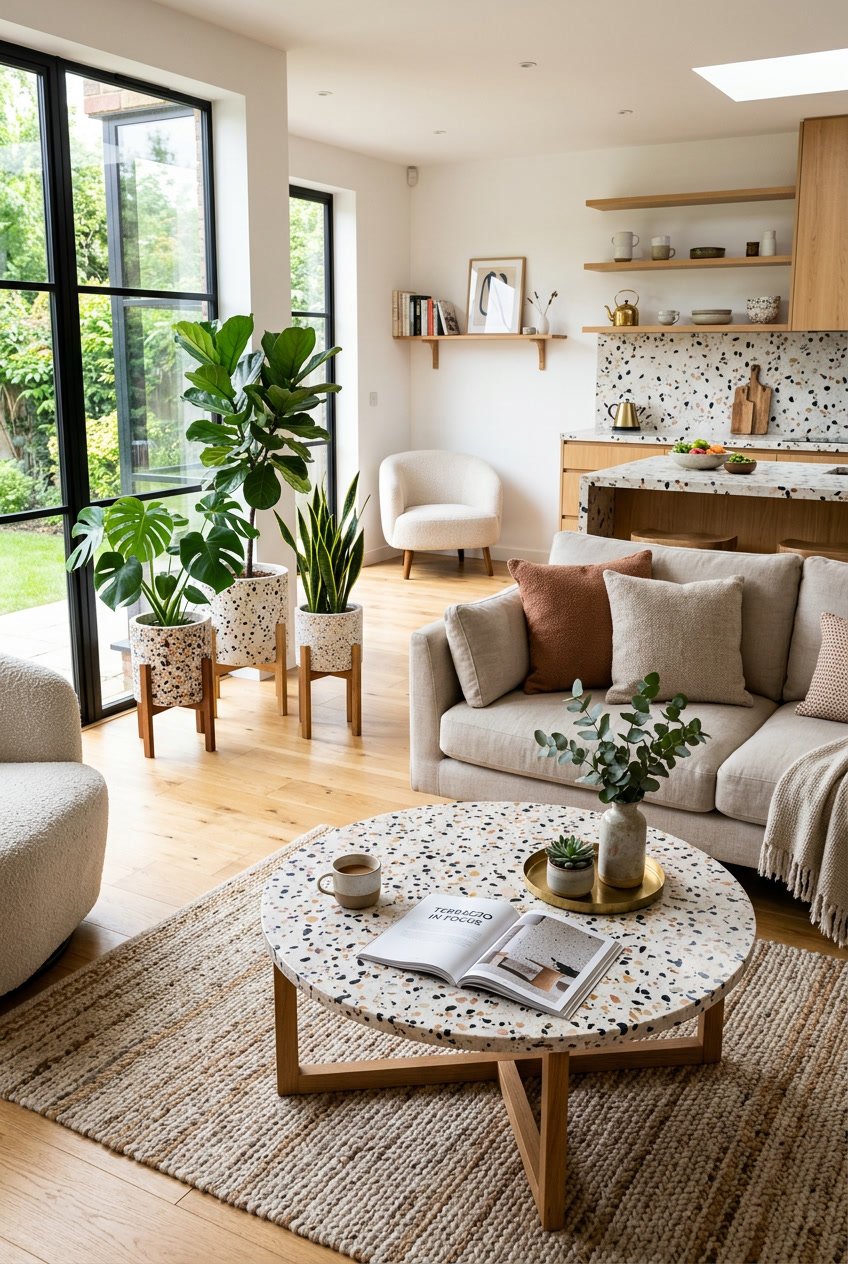
Terrazzo brings in speckled color and texture without being too busy. It’s great for countertops, backsplashes, floors, or even small things like trays and planters.
Pick neutral or bold chips to match your palette. Terrazzo is tough and easy to clean, so it’s perfect for kitchens and bathrooms.
Mix big terrazzo surfaces with plain materials to keep things from getting overwhelming. Or just use a few accents if you’re not ready for a full-on terrazzo takeover.
29) Use vintage chandeliers for impact
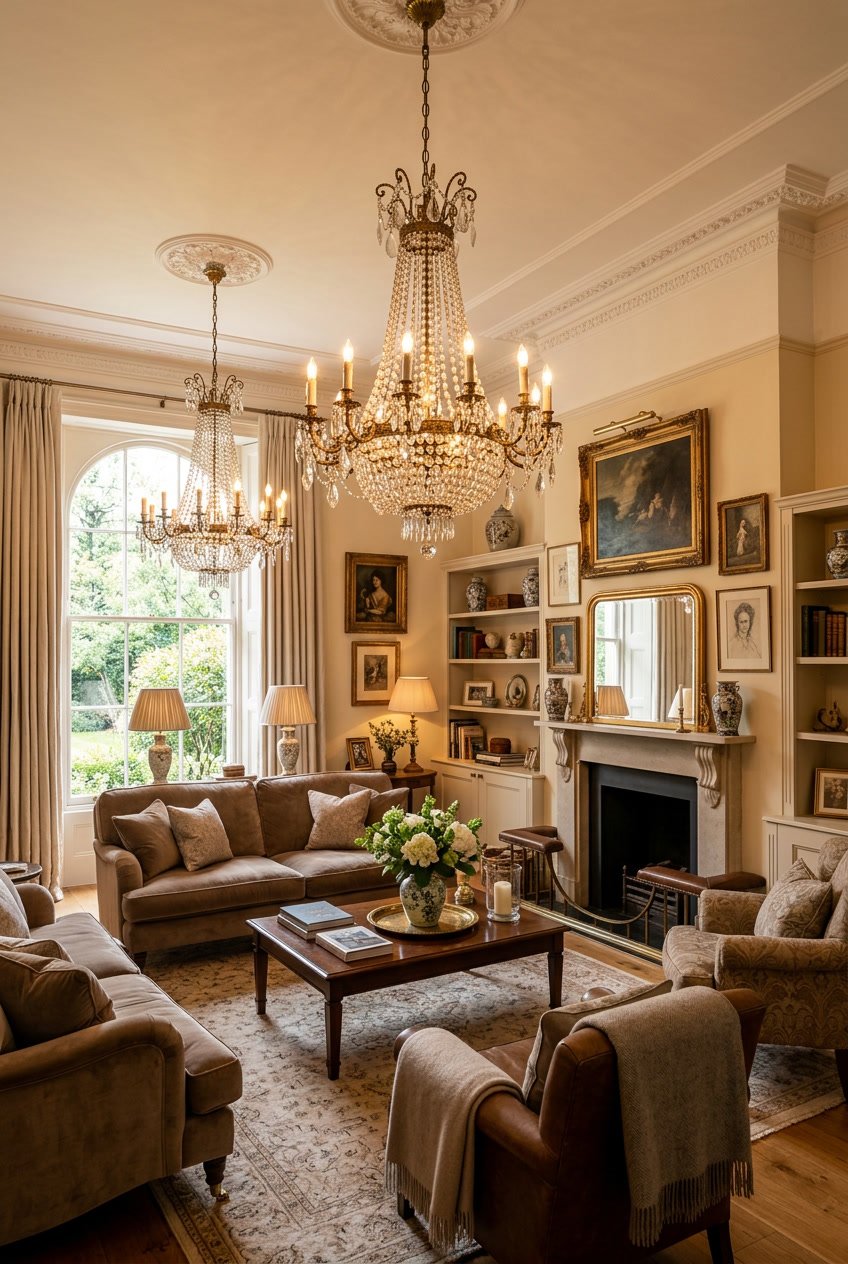
Vintage chandeliers add instant character and become a room’s focal point. Even just one can transform a dining area or living room—no big renovation needed.
They look great with modern furniture for a bit of contrast. Repurposing crystals, adding candles, or turning them into plant holders keeps things fresh and personal.
Make sure the chandelier fits the space and is hung safely. Restored vintage pieces can be both charming and practical—what’s not to love?
30) Add accent chairs with unique fabrics
They’ll grab an accent chair in a fabric that stands out to shake up a room’s vibe. Bold prints, textured weaves, or maybe even some plush velvet can draw the eye without touching the big furniture.
That chair gets placed somewhere it matters—maybe a cozy reading nook or right by the sofa. Mixing patterns with solids helps the space feel put together, but not too matchy-matchy.