You walk into a place and just know if it feels right, even before you notice all the little things. Lighting, color, texture, and furniture—those choices set the whole vibe and make a home feel both stylish and livable.
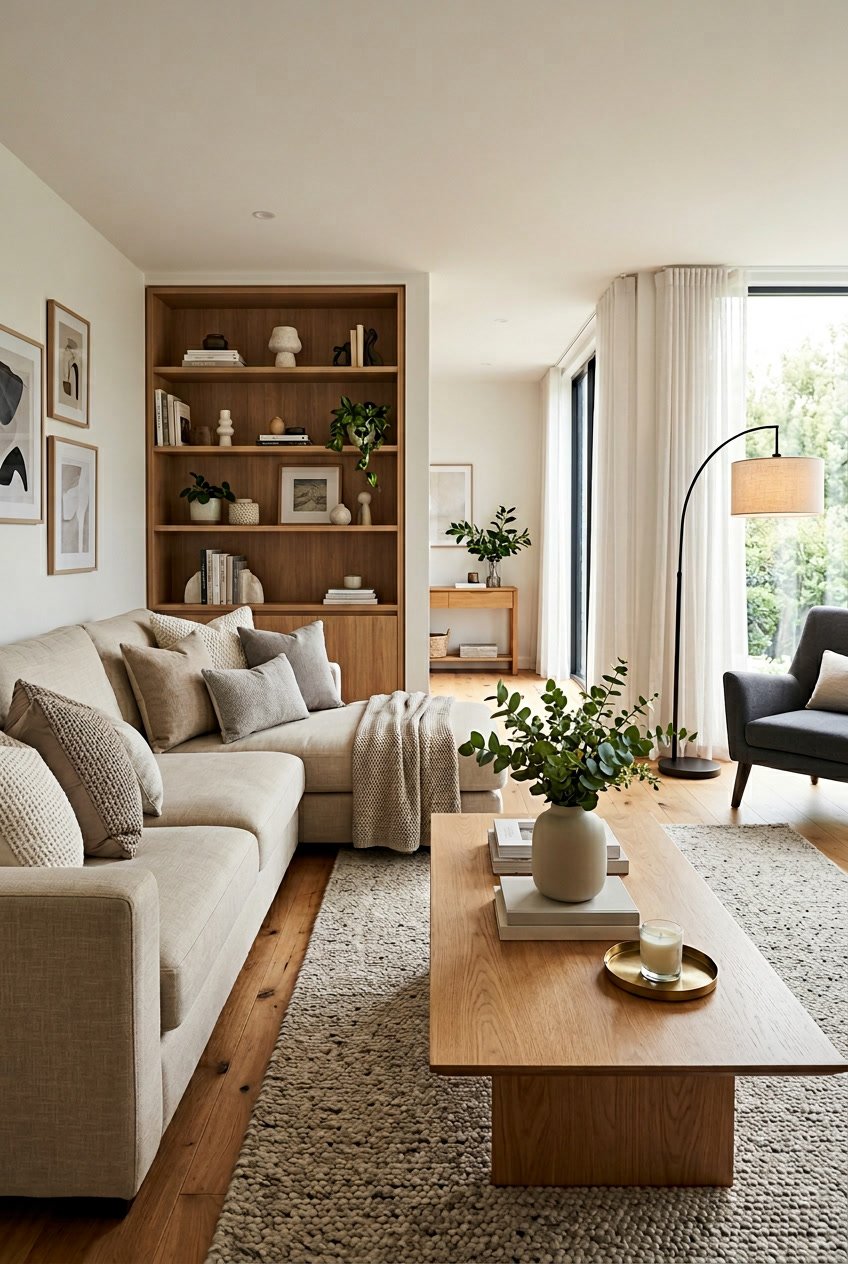
Let’s talk about layering light, picking a neutral base, mixing old and new pieces, and adding natural textures and plants. There’s also some advice on focal points, mirrors, window treatments, rugs, and built-in shelving for storage and display.
1) Incorporate layered lighting for ambiance and functionality
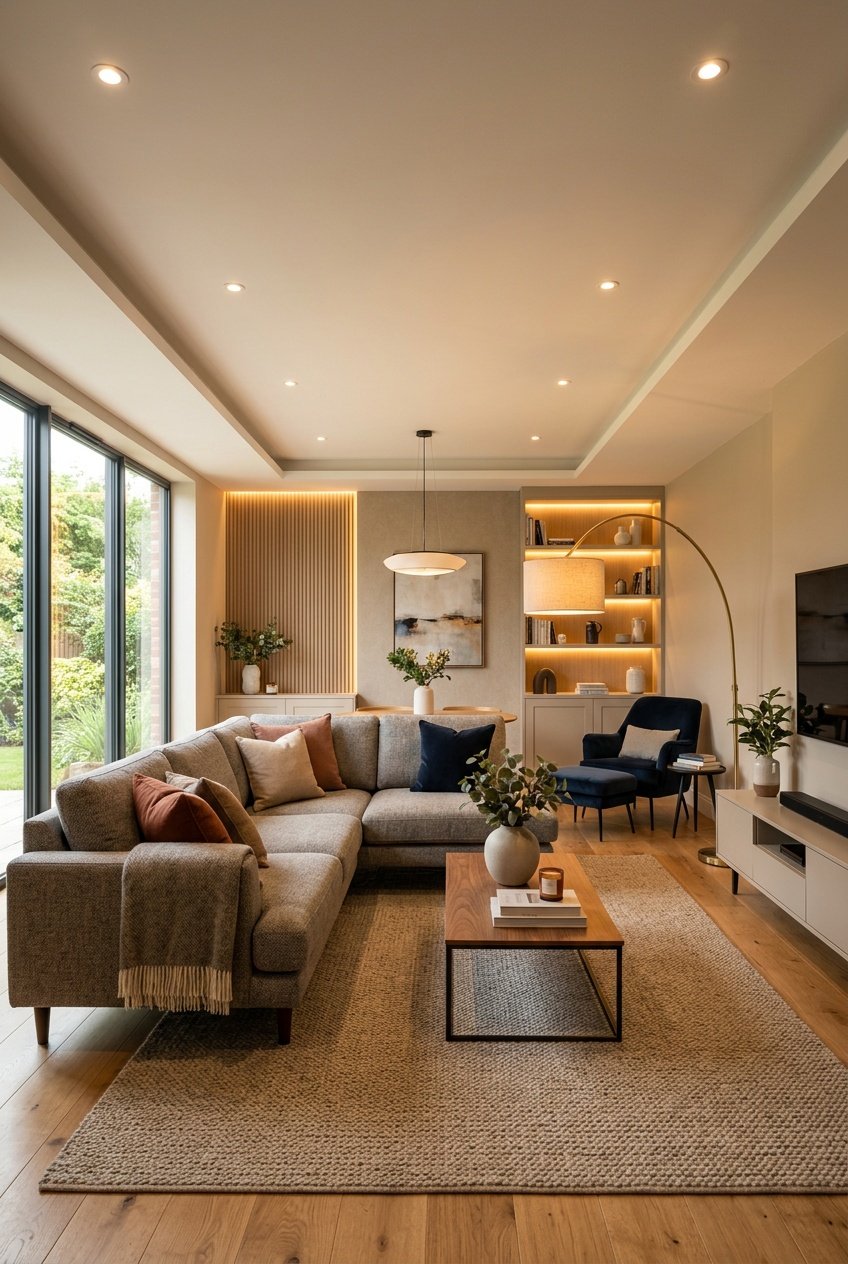
You want three types of light: ambient, task, and accent. Ambient fills the room, task helps you see what you’re doing, and accent draws attention to art or cool details.
Dimmers and adjustable fixtures let you change the mood fast. Mixing natural light with lamps and sconces makes the space feel more alive and adaptable.
2) Use a neutral base palette with pops of bold color
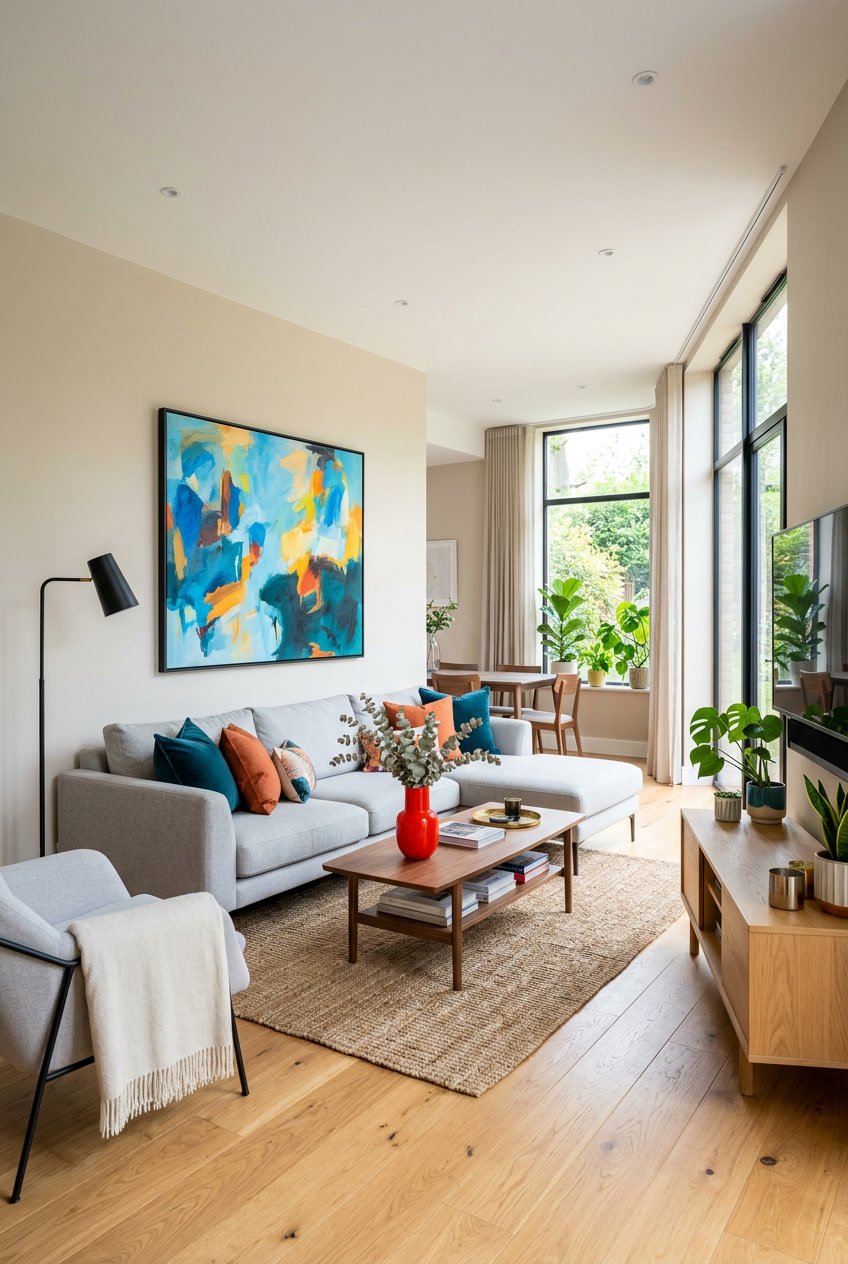
Start with neutrals on the walls, floors, and big furniture. This sets a calm backdrop so brighter accents can pop.
Bring in color with pillows, rugs, or maybe just one bold accent wall. A couple of strong colors are usually enough—any more and things get chaotic.
3) Add natural textures like wood and linen for warmth
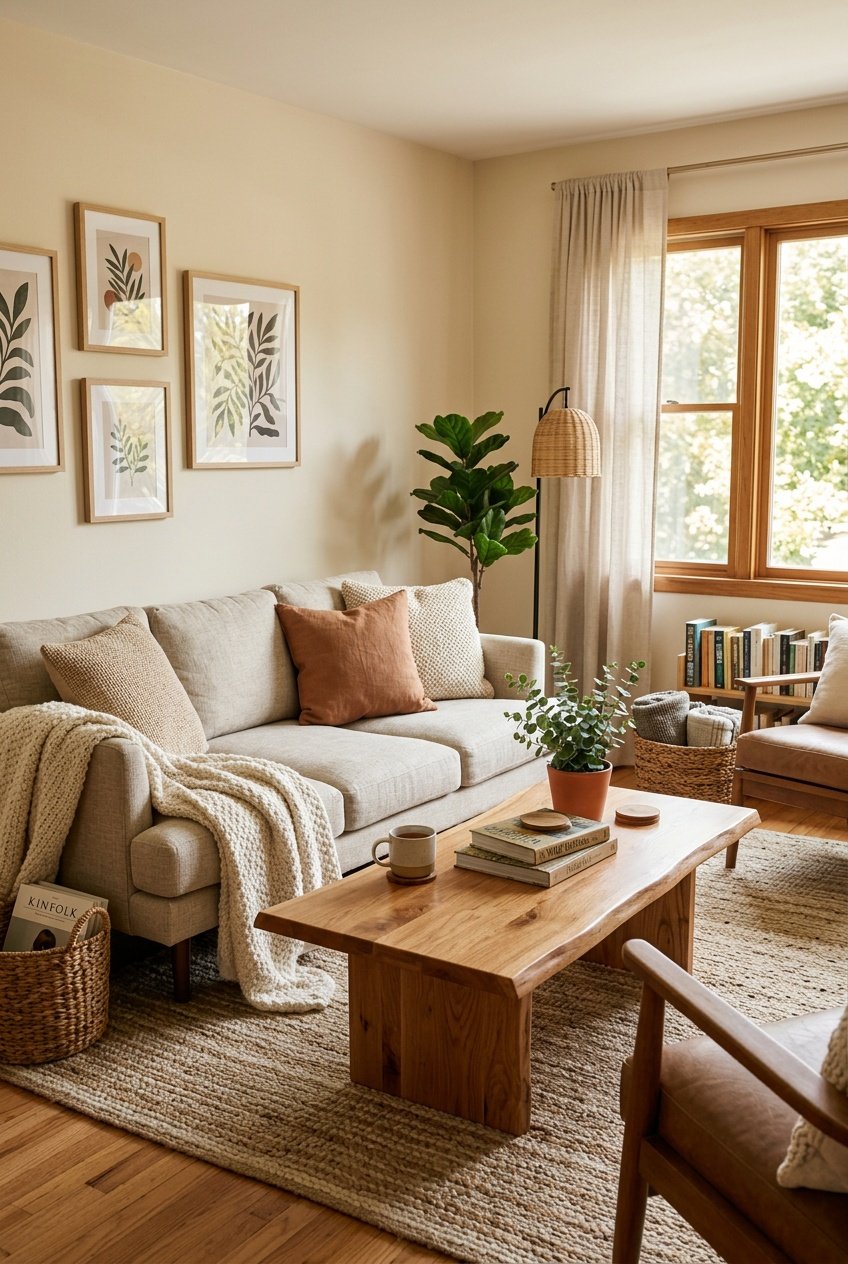
Wood tables, rattan baskets, and linen cushions create a relaxed, welcoming vibe. They catch the light and add layers without needing wild colors.
These materials age nicely and play well with others. Try a wooden coffee table, linen curtains, or a jute rug for that easy, cozy feel.
4) Mix vintage and modern furniture pieces for contrast
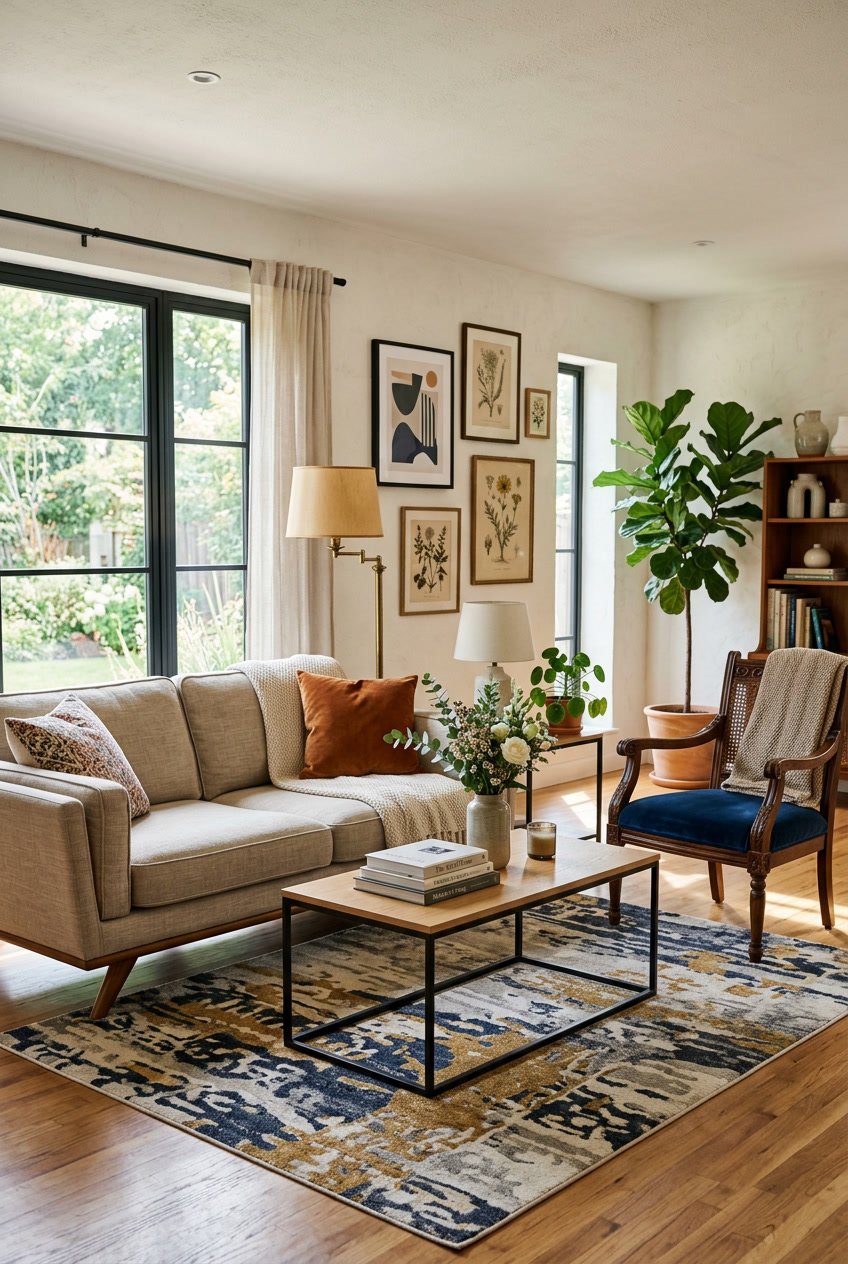
Pair a modern sofa with an antique chair for a bit of tension that feels intentional. Using a repeated color or material—like brass or oak—helps tie everything together.
Let one vintage piece be the star, and keep the rest of the furniture more understated. That way, nothing fights for attention.
5) Create a focal point with a large statement art piece
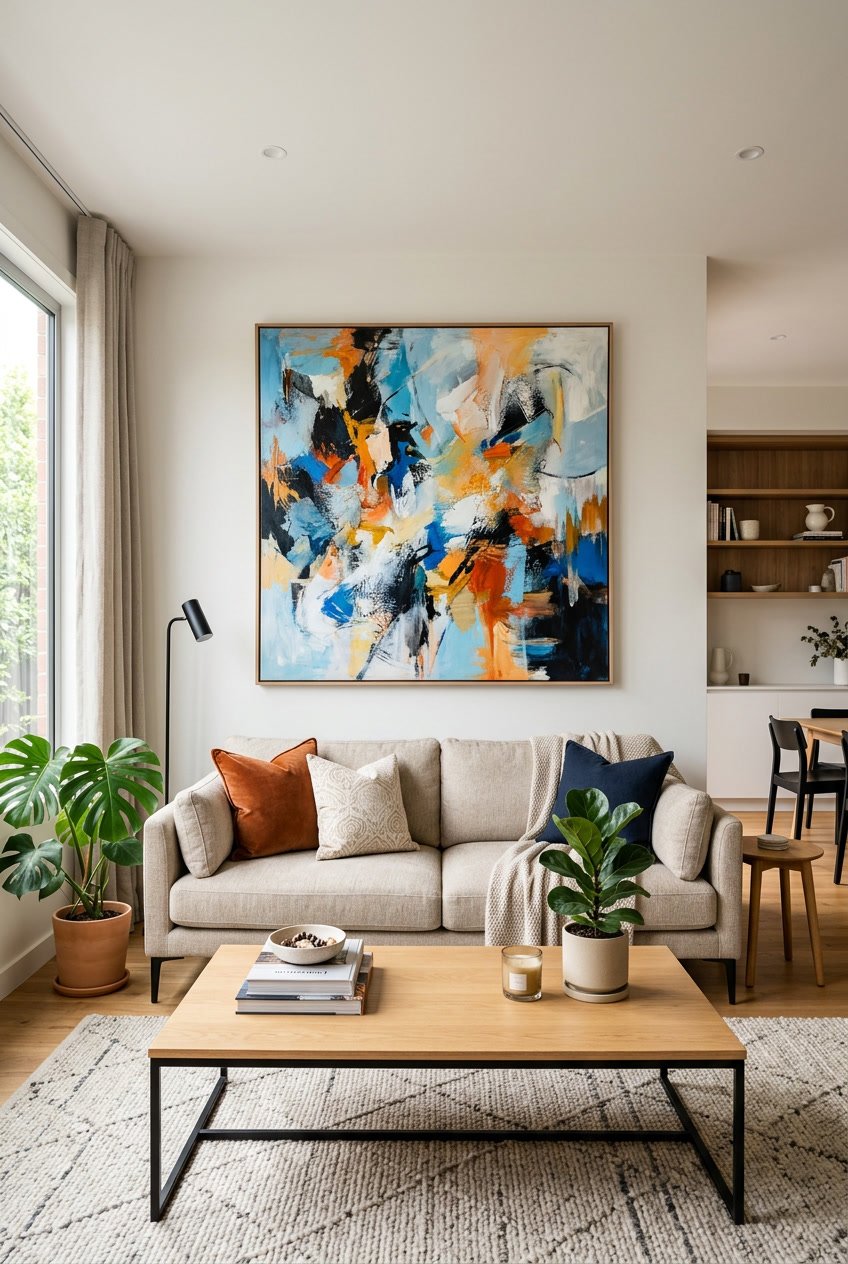
Pick one big piece of art to give the room a clear focus. Hang it above the sofa, mantel, or in the entryway so it really stands out.
Keep the surrounding decor simple. Neutral walls and minimal accessories make the statement piece shine.
6) Use mirrors to enhance light and create spaciousness
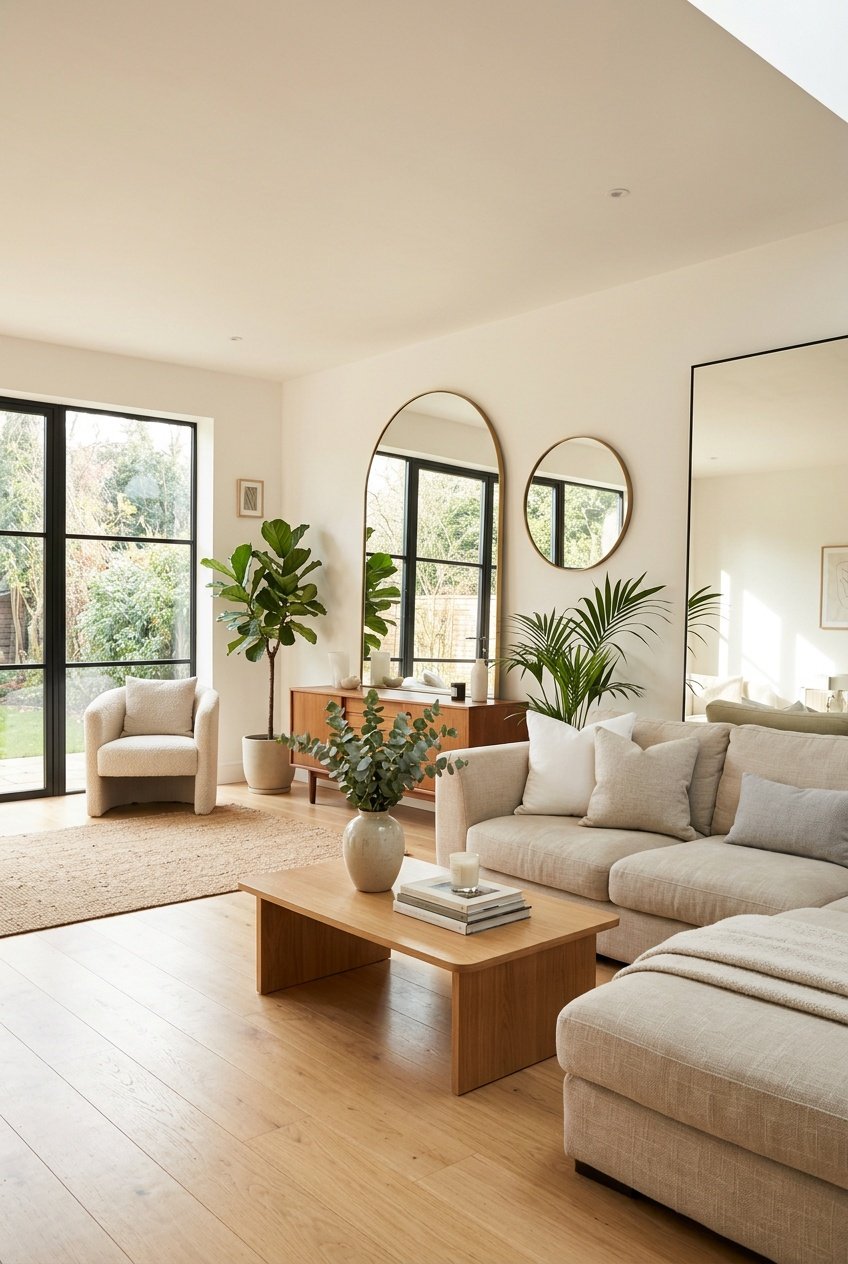
Put mirrors across from windows to bounce sunlight around and brighten up dark corners. It’s a quick trick for making a space feel bigger.
Go for larger mirrors or a few grouped together for more impact. The frame style should fit the room, but don’t overthink it—simple usually works best.
7) Integrate indoor plants for freshness and air quality
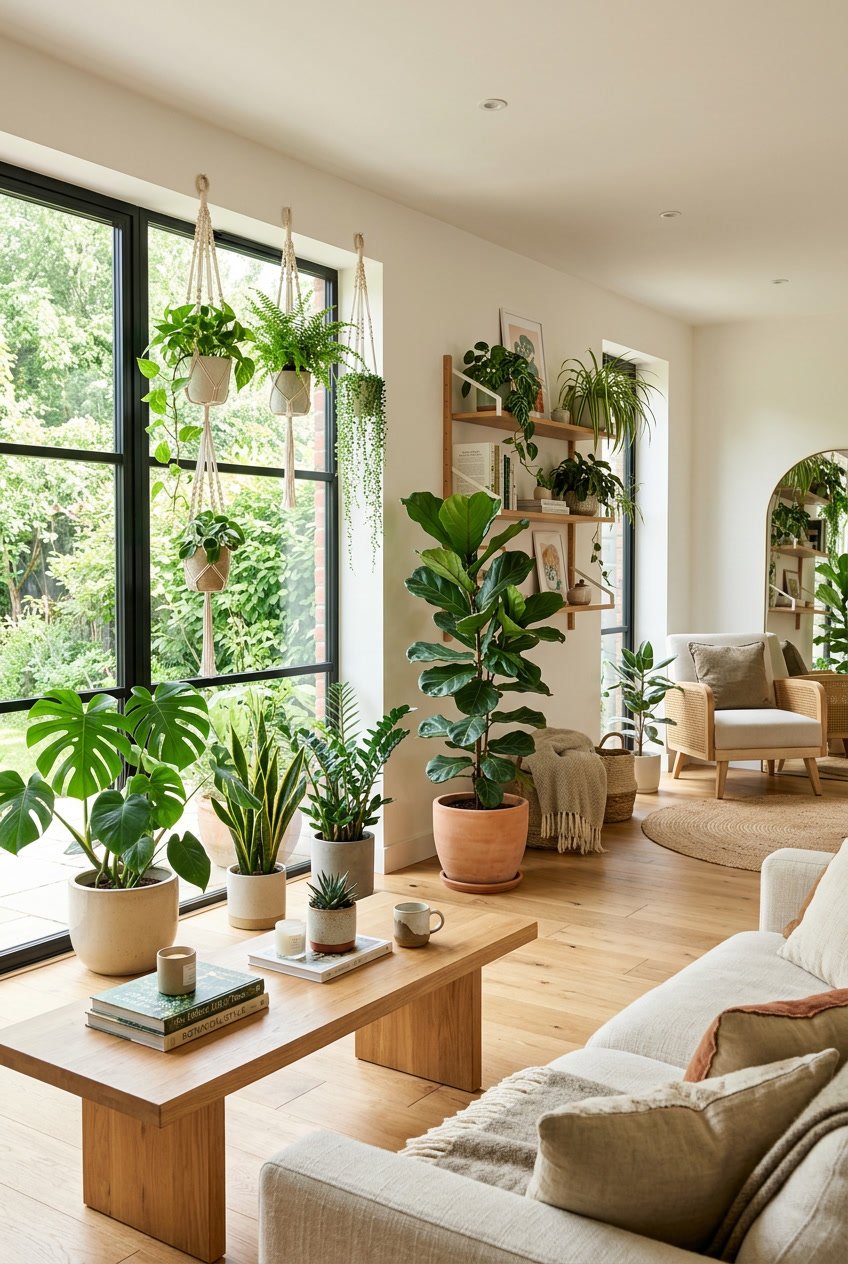
Plants soften sharp edges and just make a room feel more alive. Small pots look great on shelves, and a tall plant in the corner can really ground the space.
Many houseplants help with air quality, too. Just pick easy-care varieties if you’re not a plant person, and remember to dust the leaves now and then.
8) Choose window treatments that complement your style
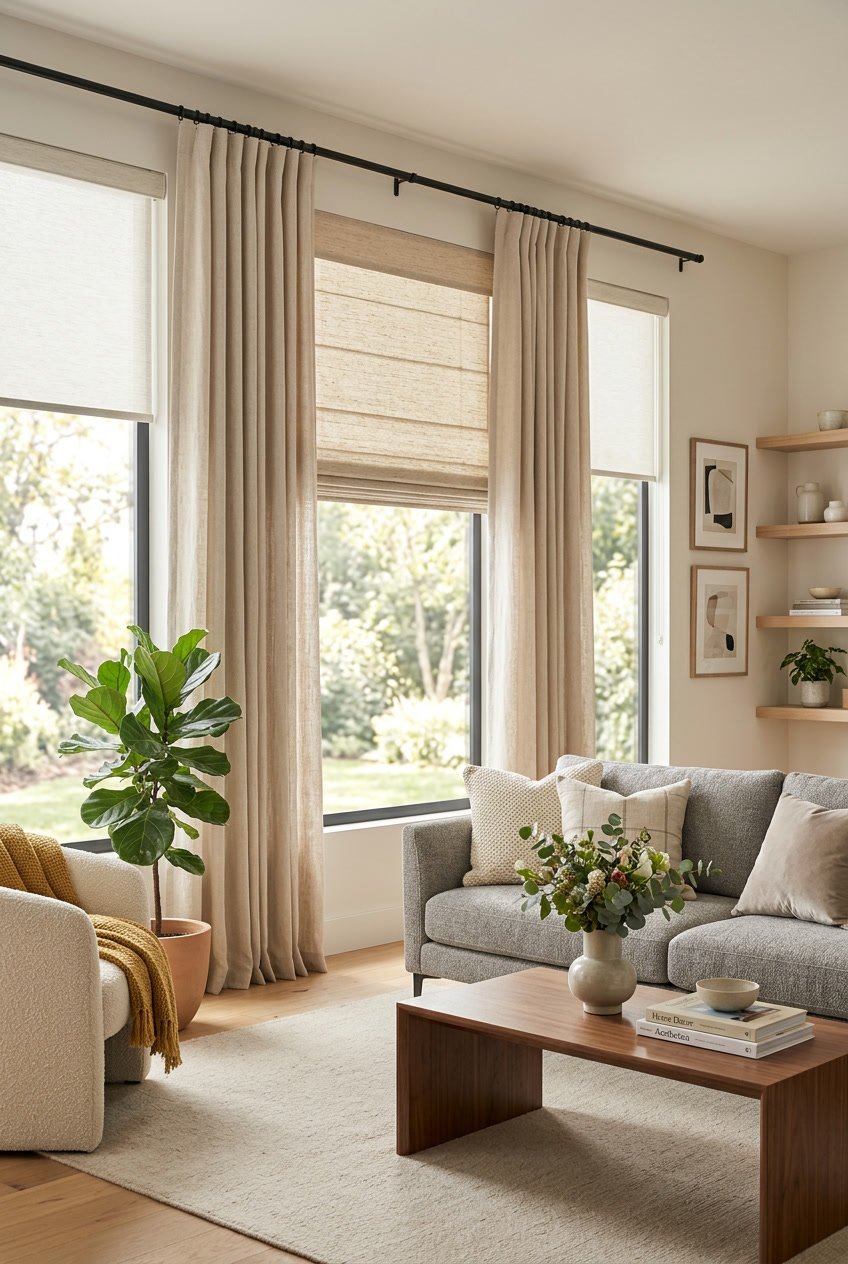
Window treatments should match both the mood and function of the room. Sheer curtains keep things light, blackout shades are great for privacy and sleep.
Pick fabrics and colors that echo what’s already in the room. Patterns can tie things together without adding chaos.
Measure twice before buying. Custom is great for odd shapes, but ready-made works for most windows.
9) Apply patterned rugs to define and anchor spaces
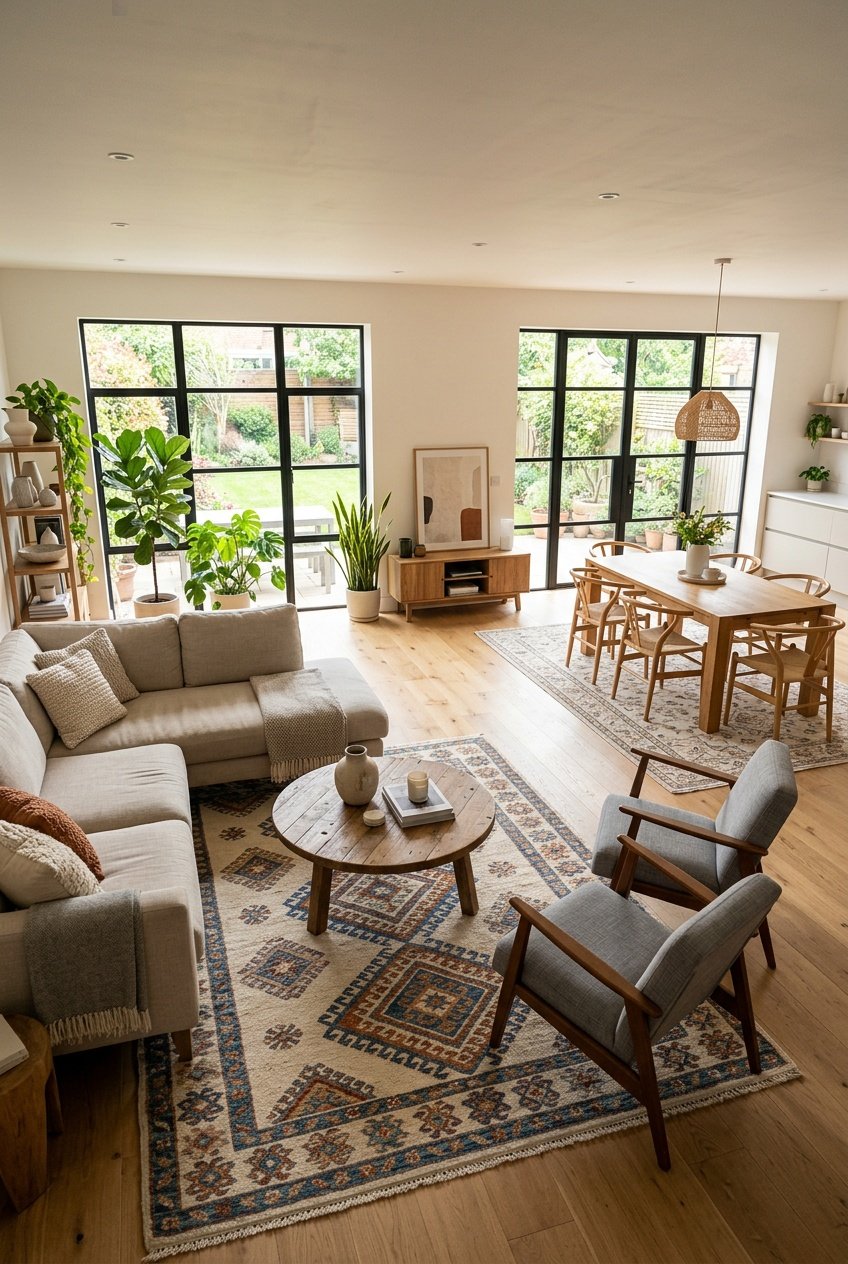
Put a patterned rug under your seating area to make the layout obvious. It draws the eye and helps break up open spaces.
Pick a size and color that works with your furniture. Layering a smaller patterned rug on a plain one adds interest without crowding the room.
Make sure the front legs of sofas and chairs are on the rug. It’s a simple trick that keeps everything feeling pulled together.
10) Use built-in shelving to maximize storage and display
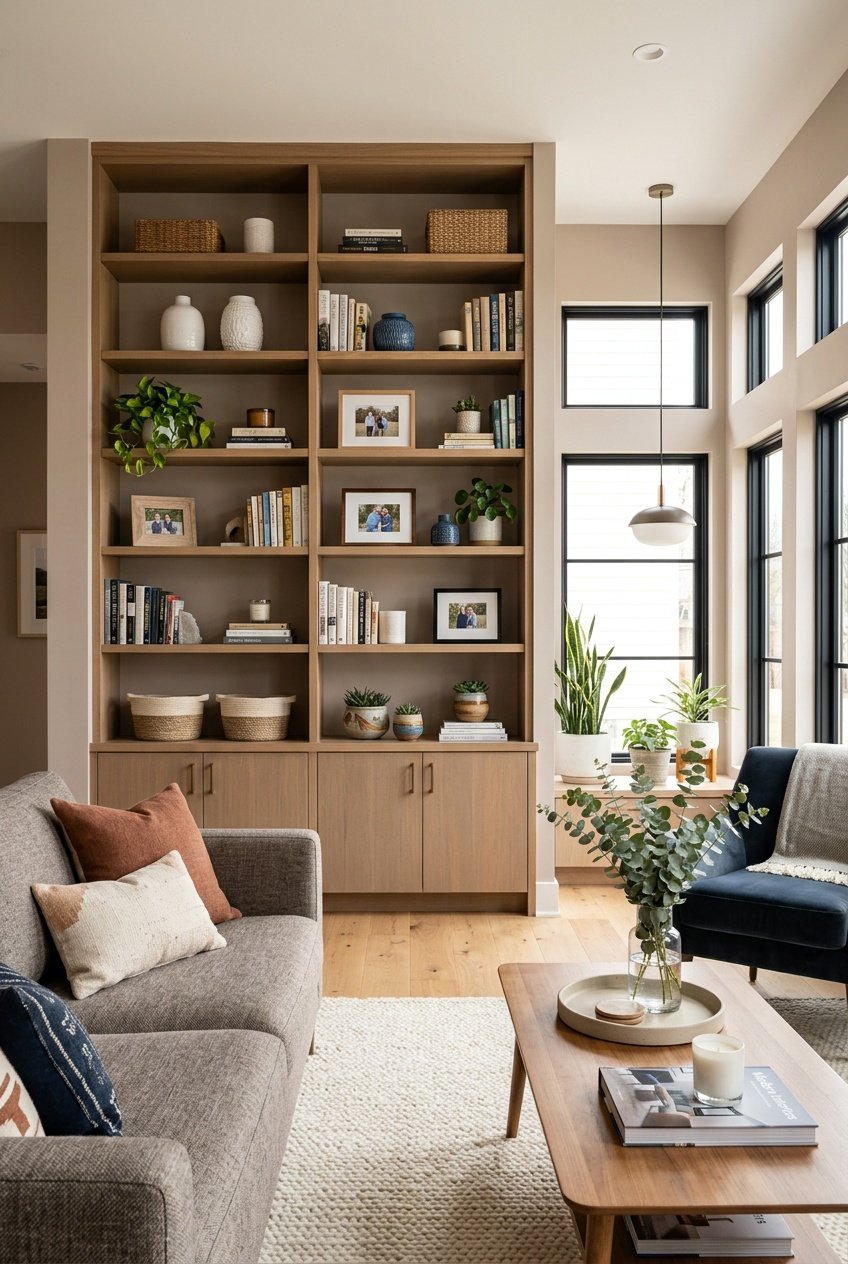
Built-in shelving hugs walls and corners, saving precious floor space. It’s a clever way to add storage without dragging in more bulky furniture.
You can make them blend in with your trim, or let them pop as a design feature—totally up to you. Shelves aren’t just for books; they’ll hold art, baskets, plants, and all those things that somehow end up on your coffee table.
Custom sizing means you can squeeze storage into weird spots, like under the stairs or tucked around a fireplace. If you mix up heights, colors, and textures, your shelves won’t just be practical—they’ll actually look good too.