Everyone wants their home to feel a certain way, right? And brands—well, they want to be recognized instantly.
A clear, consistent brand makes products and spaces easy to spot and more likely to connect with the people who buy them. So, how do you actually build that identity? Let’s dig in.
This guide covers the nuts and bolts: logos, color palettes, typography, plus voice and storytelling. There’s even some hands-on advice for social media, email, packaging, and working with influencers.
If you want your brand to stick in people’s minds, here’s where to start.
1) Develop a Unique Visual Identity
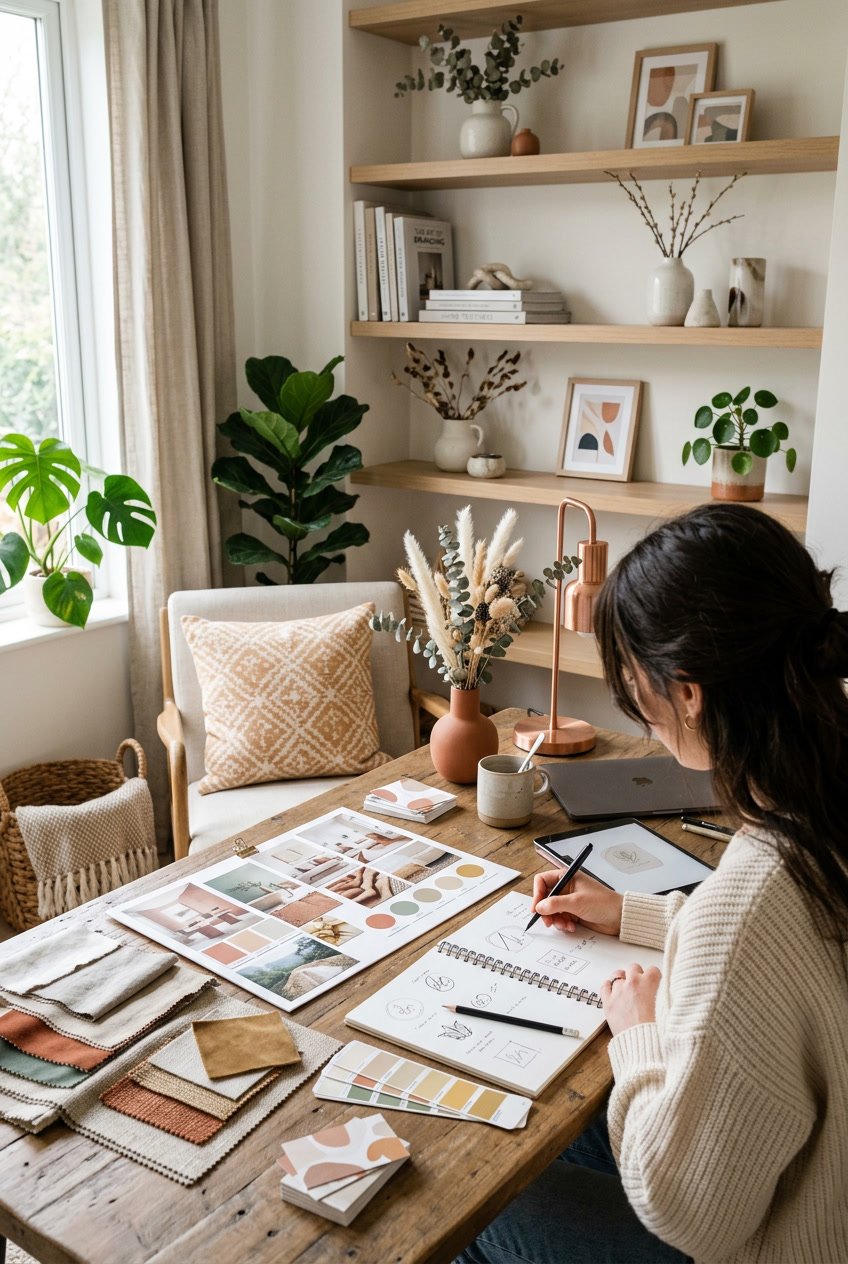
Keep things simple and consistent. Pick a logo that’s clear, a color palette that fits your vibe, and two fonts that are easy on the eyes.
Use images and patterns that actually match the products you sell. When your visuals line up everywhere—from social posts to packaging—people start to recognize you.
Write it all down in a style guide. It’s not glamorous, but it saves you a headache later.
2) Create a Memorable Logo
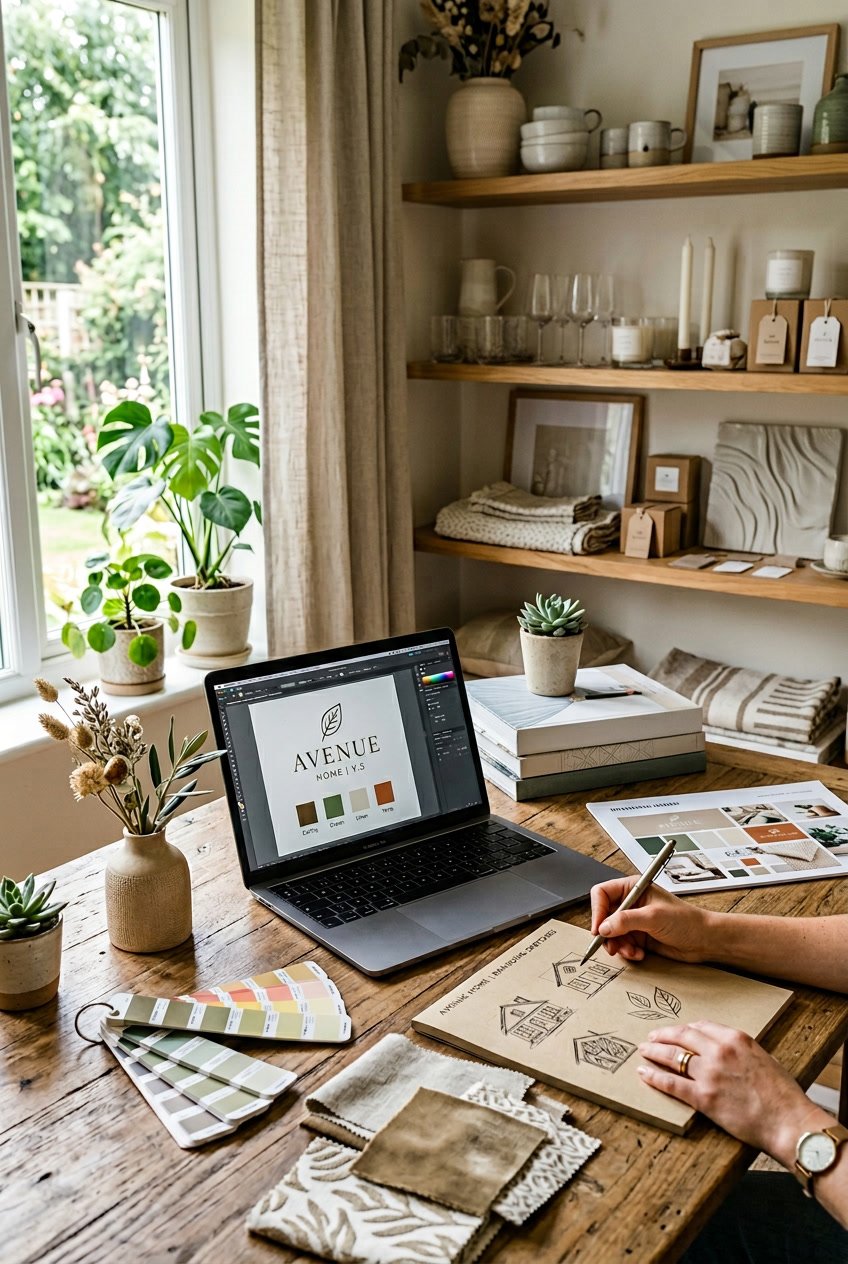
A good logo is quick to spot and easy to remember. Go for simple shapes, clear fonts, and don’t go wild with the colors.
If you want to add a little flair—maybe a furniture icon or a roof—it should be subtle. The logo needs to look good tiny or huge, in color or black-and-white.
Try it out on your packaging, social, and tags. If it feels off anywhere, tweak it until it’s right.
3) Define Your Brand’s Color Palette

Choose one or two main colors that really say “you.” Accent colors add some pop for things like buttons or photos.
Stick with neutrals for backgrounds and text to keep everything readable. The palette should make sense for your audience and the vibe of your decor.
Test your colors on everything—web, print, even fabric. Jot down the color codes so nothing goes rogue.
4) Craft a Consistent Typography Style
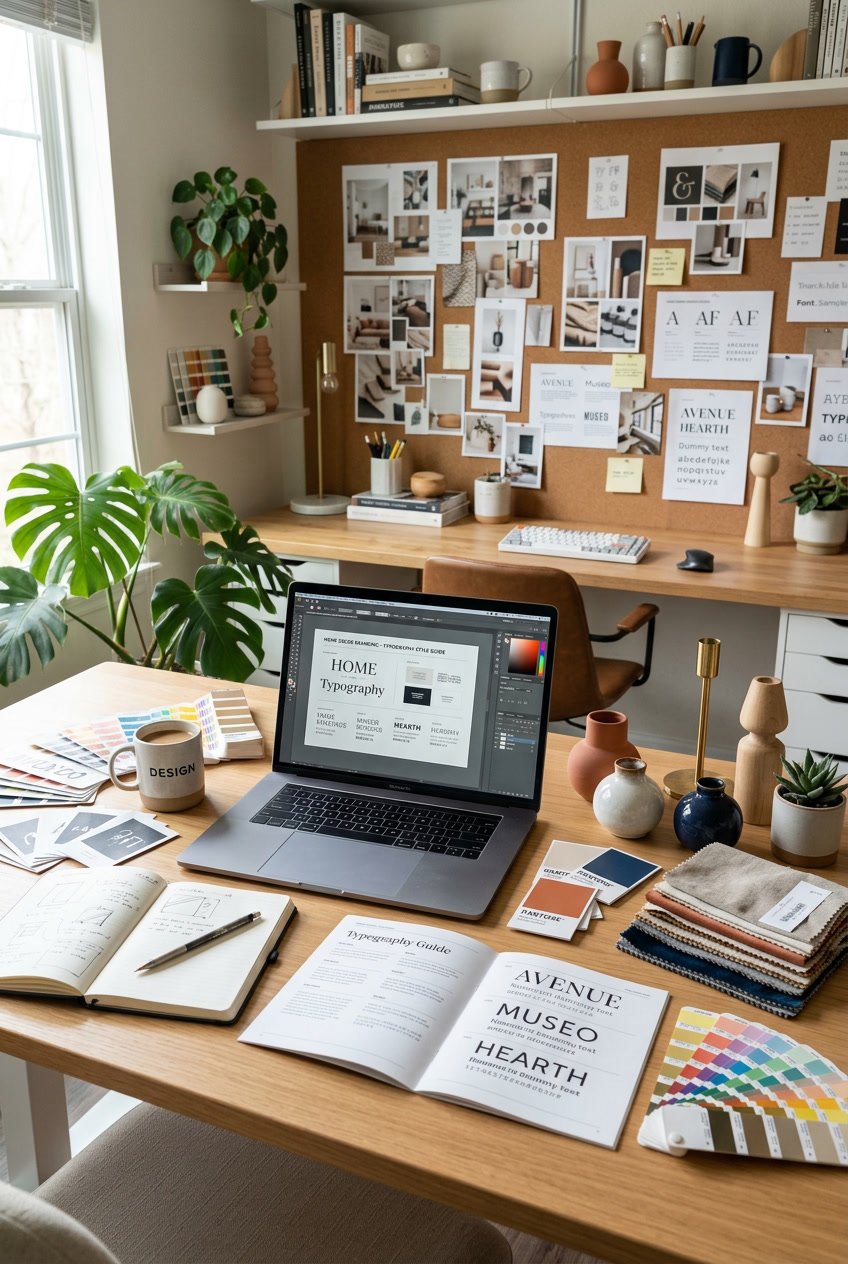
Pick two or three fonts that fit your brand’s personality and are easy to read. Use one for headlines, another for body text—don’t overcomplicate it.
Set some ground rules for sizes and spacing so your look stays sharp everywhere. Consistency across packaging, labels, and the website is key.
Test your fonts on phones and in print. Leave notes for anyone else making brand stuff, so things don’t get weird.
5) Establish a Distinct Brand Voice

Your brand should sound like, well, your brand. Warm, modern, playful, refined—pick what fits and stick with it.
Every product description, social post, or reply should feel like it’s from the same place. That’s how trust builds.
Give your team some simple guidelines. Consistency in tone and word choice makes your brand voice stick.
6) Use Storytelling to Connect Emotionally

Tell your story—where you started, what you care about, and why you design what you do. Share little behind-the-scenes bits, like where your materials come from or who crafted the goods.
People don’t just buy products; they buy into a story. Honest, specific details make your brand feel real.
Keep it authentic. The right story can turn a one-time buyer into a loyal fan.
7) Leverage Influencer Collaborations

Work with influencers who genuinely fit your look. Micro-influencers can actually bring more loyal followers than the big names.
Set expectations up front—what you want, what you’ll give. Try a mix of sponsored posts and longer partnerships.
Let creators be themselves. Real stories feel, well, real—and that’s what sticks with people.
8) Build a Strong Social Media Presence

Focus on visual platforms like Instagram and Pinterest. Post regularly, but don’t force it—quality over quantity.
Share short videos and styled shots of your products in real homes. That’s what gets people interested.
Keep your branding tight—same colors, fonts, and voice everywhere. Reply to comments, ask questions, and be a little playful.
Partner with influencers who get your vibe, and keep an eye on what posts actually get saved or shared. That’s where you’ll learn what works.
9) Implement Email Marketing Campaigns

Build lists based on what your customers actually like or do. Send emails about new drops, restocks, or special deals.
Make sure every message looks and sounds like your brand—logo, colors, and that same voice. A little personalization goes a long way.
Try out different subject lines and send times. See what gets opened and clicked, then tweak your approach as you go.
10) Design Packaging that Reflects the Brand
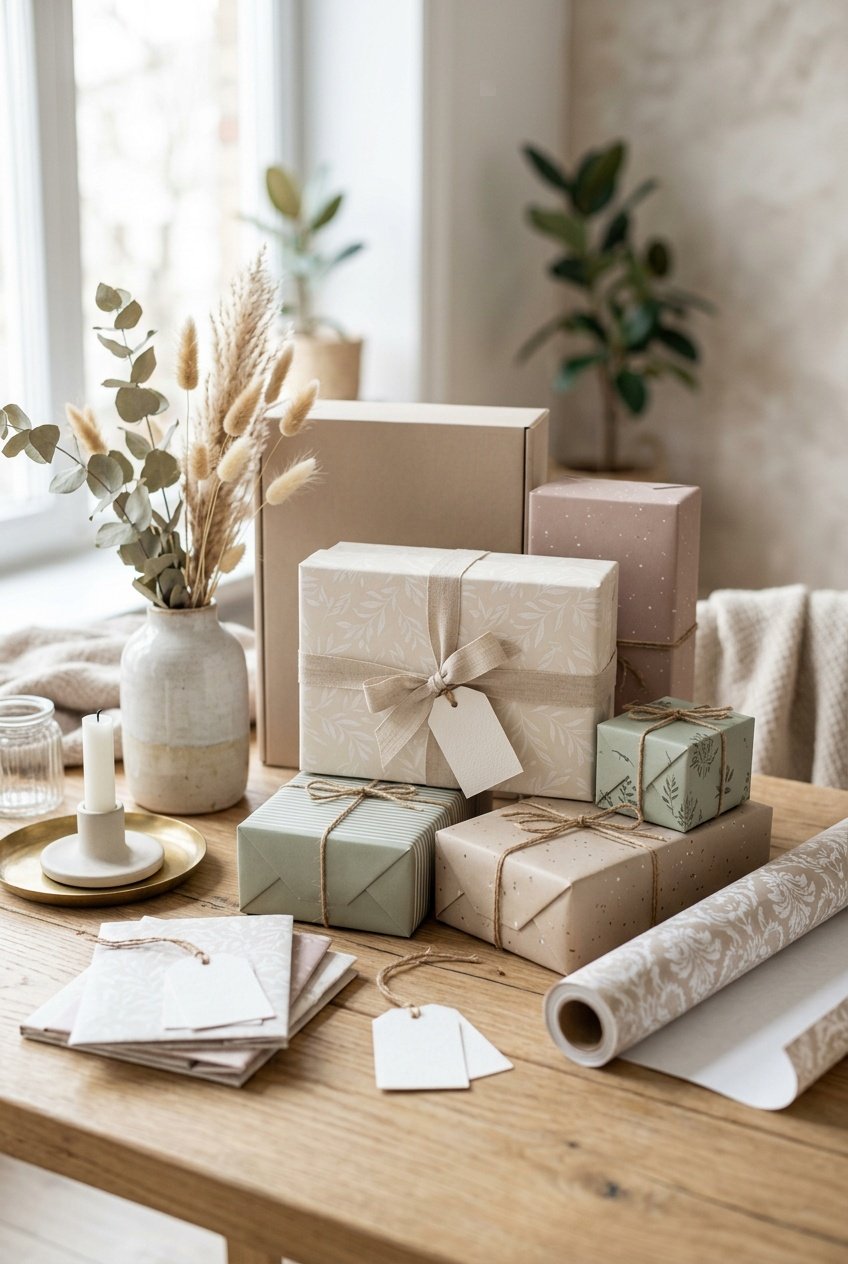
Packaging really ought to echo the brand’s vibe, right? If the colors, fonts, and imagery line up, customers can spot it in a heartbeat.
It’s not just about looks, though. Packaging has to keep those fragile pieces safe, but still feel a bit special—no one wants a boring box.
Simple touches like a care tag or a little thank-you card? That sort of thing actually goes a long way in building trust.
And let’s be honest, a lot of folks care about sustainability these days. Choosing recyclable or less wasteful materials can quietly show you’re paying attention.