You want a calm, uncluttered home that feels intentional and easy to live in. Minimalist home decor helps you focus on light, quality, and thoughtful choices so each item earns its place and the space feels open and restful.
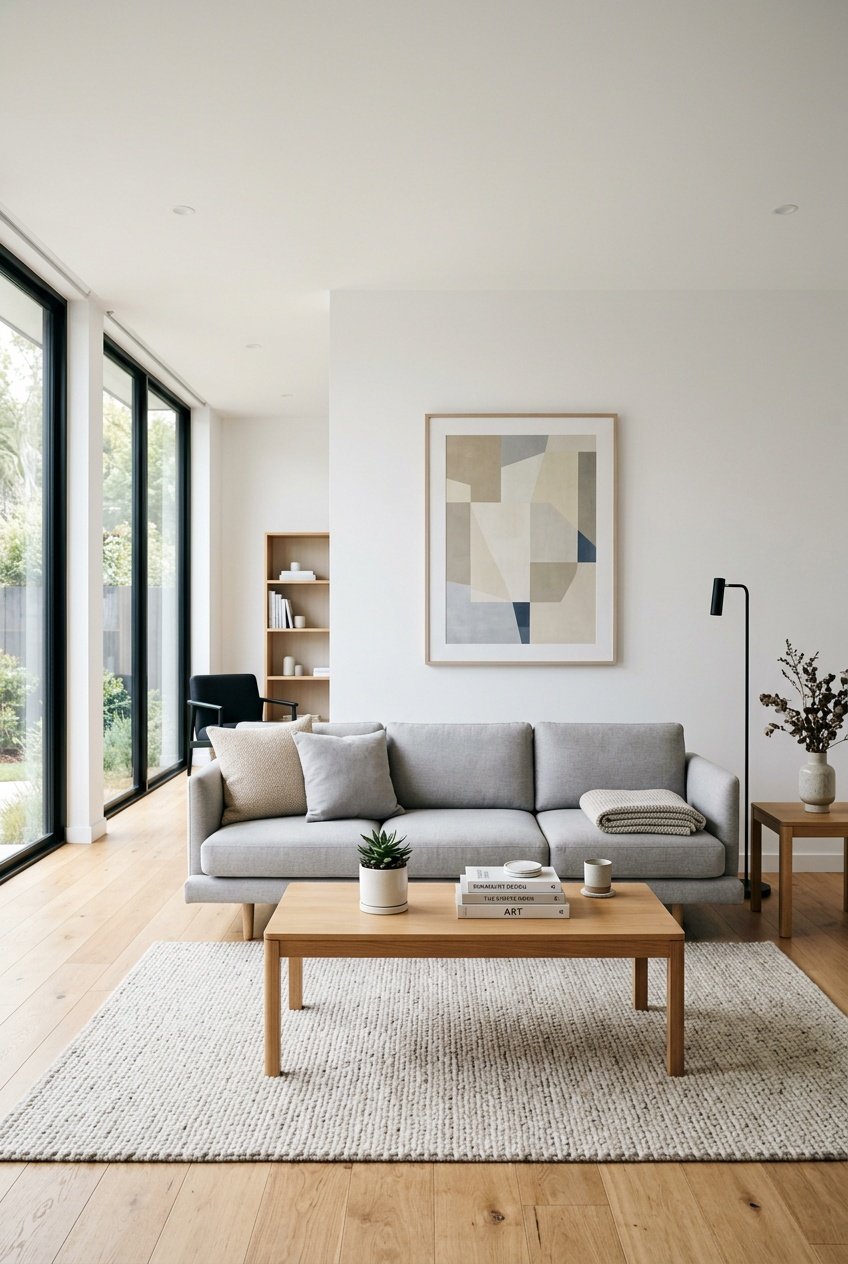
Maybe you’re looking for simple ways to brighten up your rooms or just want to keep only what actually adds function or beauty. Minimalism lets you do both, without making your place feel cold or empty.
Practical tips can help you choose neutral colors, furniture with clean lines, and clever storage. Texture, lighting, and little bits of nature all play a part in keeping your home peaceful and useful.
1) Maximize natural light with sheer curtains or large windows
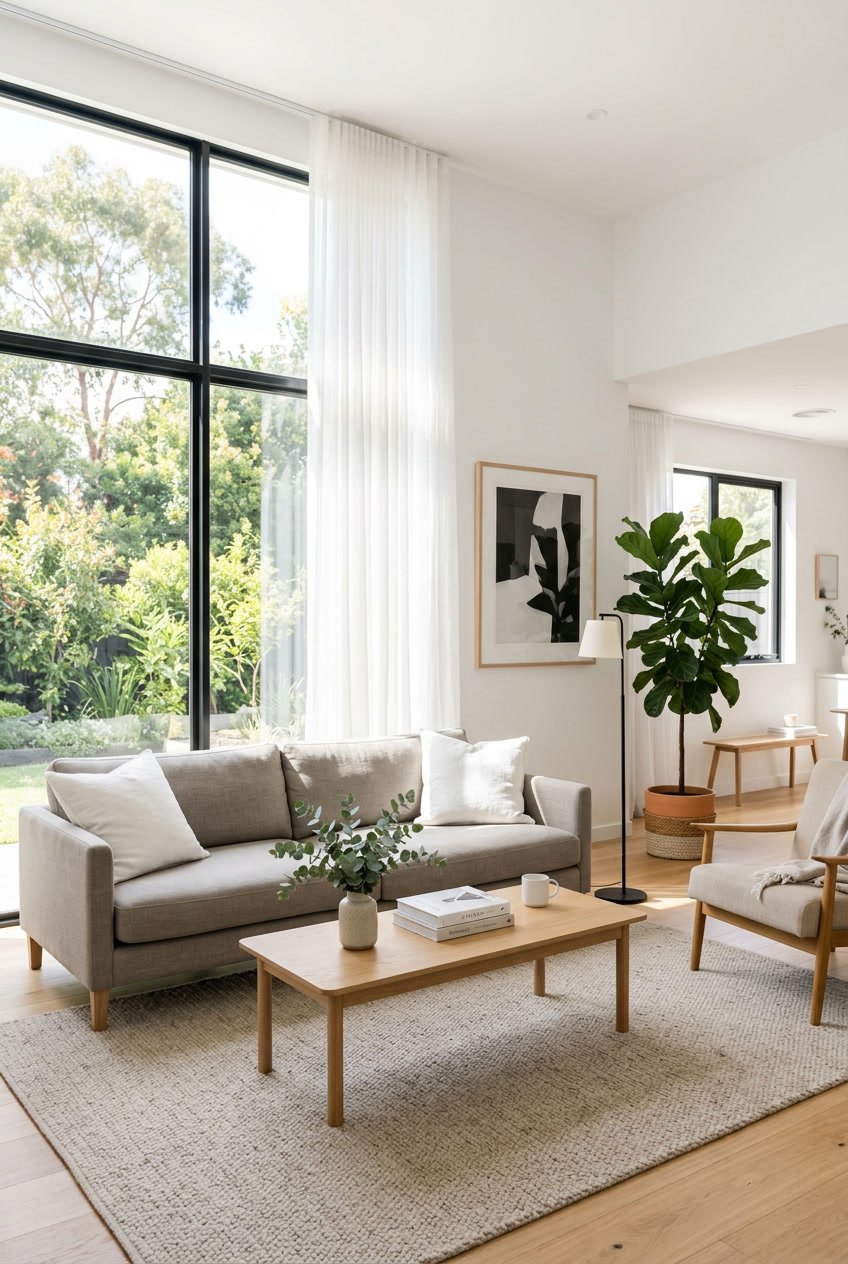
Sheer curtains or big windows let in plenty of daylight. Sheer fabrics soften the light, keeping things bright but not blinding.
Try hanging curtain rods higher and wider than the window. It’s a neat trick—suddenly, your ceilings feel taller and the whole room opens up.
Painting window trim a light color helps bounce even more light around. Minimal window hardware keeps everything tidy and in line with that minimalist vibe.
2) Use neutral color palettes like white, beige, and gray
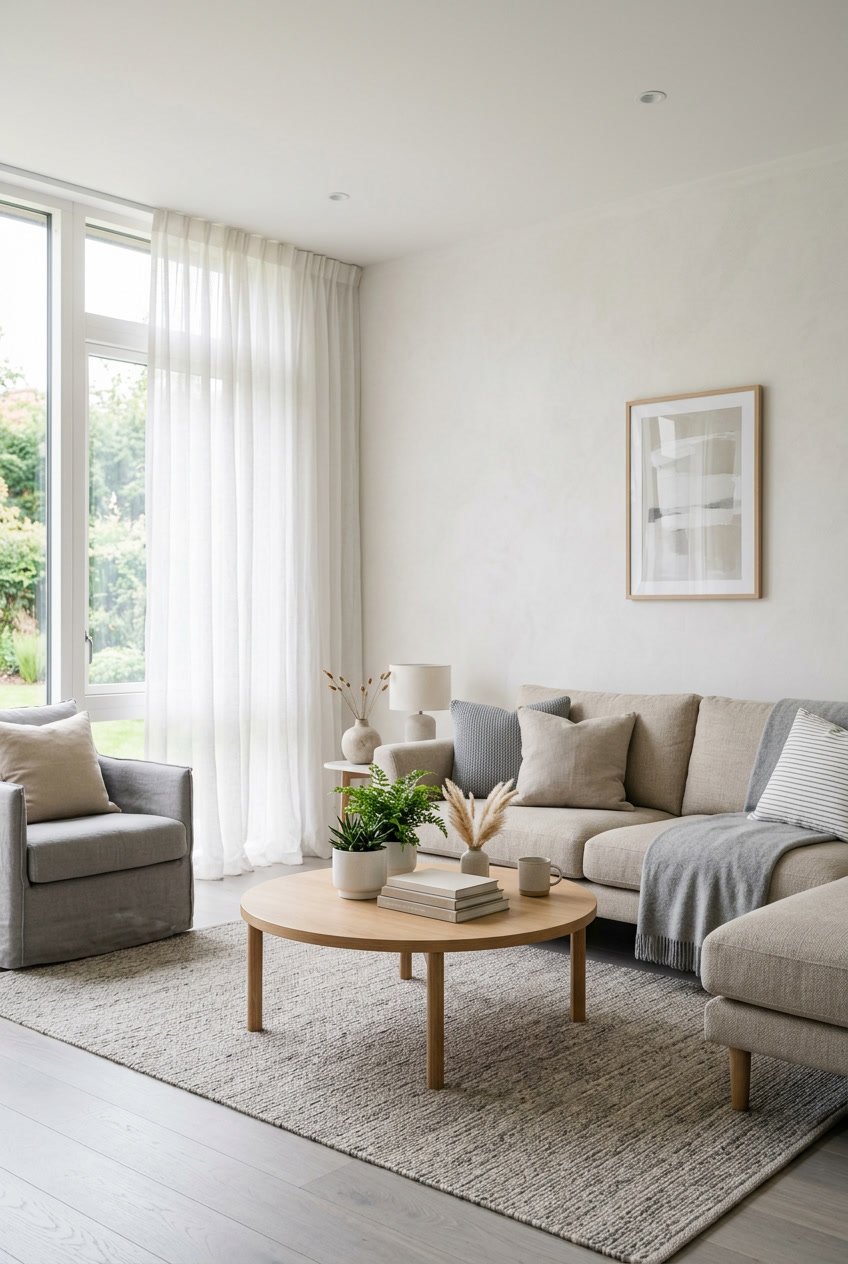
White, beige, and gray keep things calm and simple. Neutrals let your furniture and textures stand out without shouting over each other.
A neutral base means you can swap out accent pieces whenever you want. The light stays balanced, which really helps small spaces feel airier.
Sometimes, pure white feels a bit too sterile. Warm undertones or greige add some cozy depth, and mixing tones keeps things from looking flat.
3) Incorporate clean-lined furniture with simple shapes
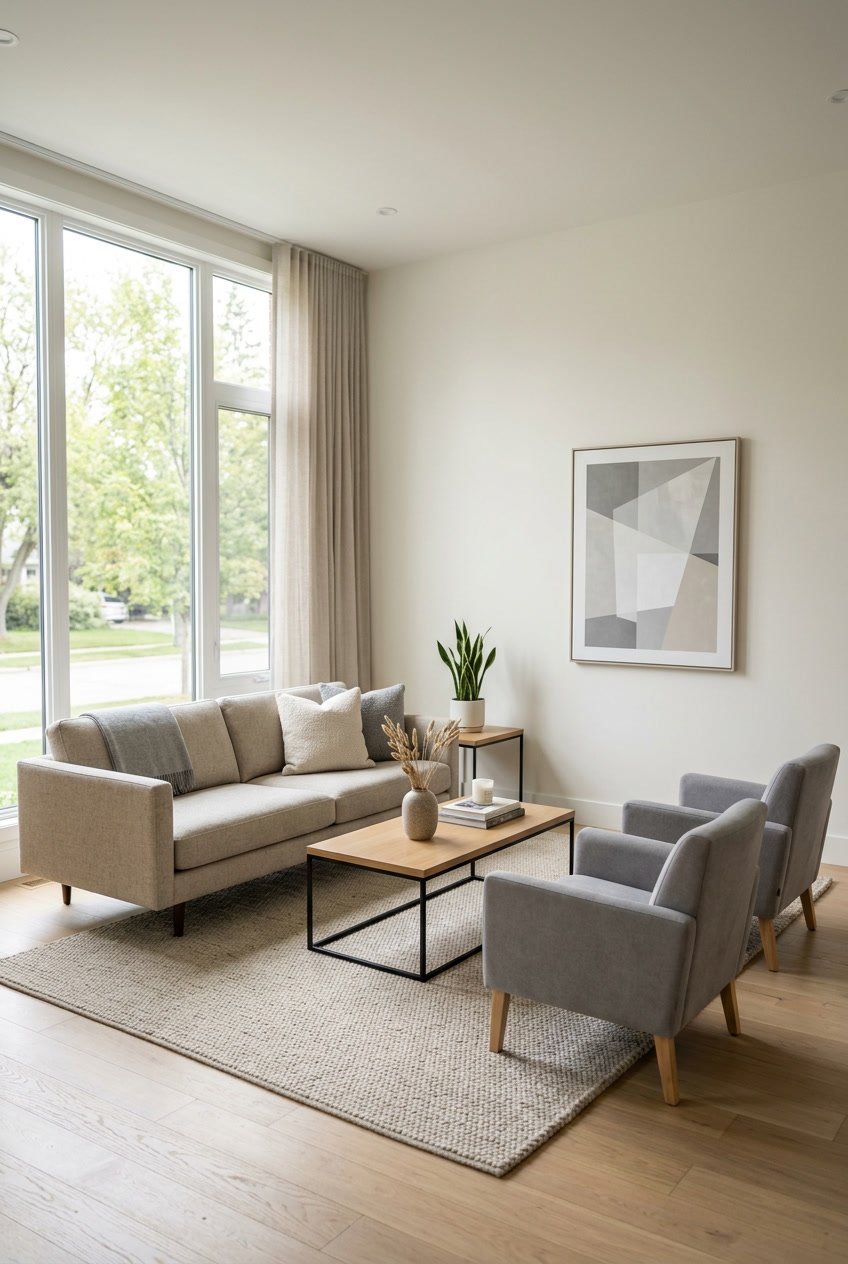
Furniture with straight edges and gentle curves makes rooms feel calm and ordered. Shapes like rectangles, circles, or soft arches add balance without being fussy.
Stick to neutral colors and solid fabrics to avoid visual noise. Each piece should have a clear purpose and fit the room’s scale.
A few organic shapes here and there can soften the look. Fewer, thoughtfully chosen pieces usually make a bigger impact.
4) Choose high-quality, functional pieces over quantity
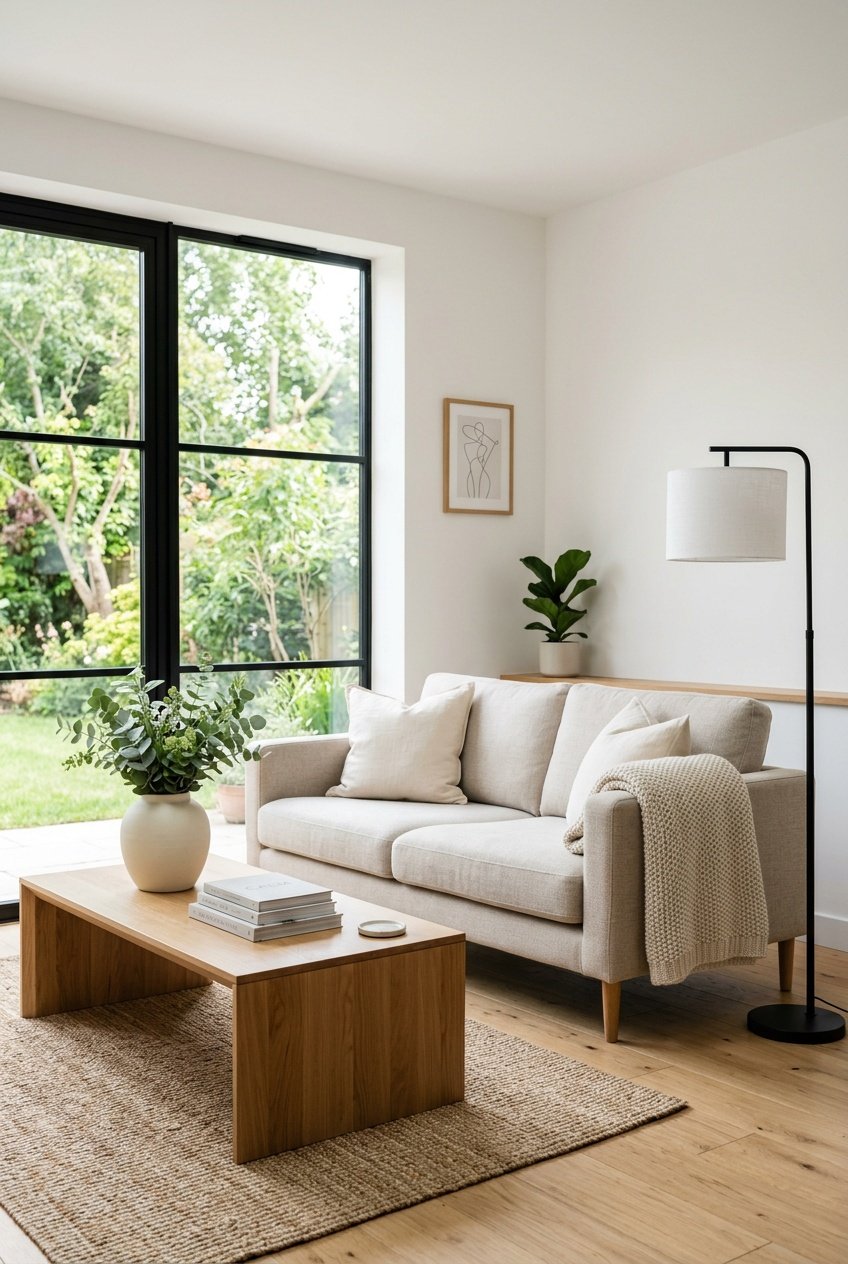
Go for fewer items that really last. A well-made sofa or table covers your daily needs and means less waste down the road.
Multiuse pieces are a lifesaver for saving space and keeping clutter at bay. Thoughtful choices create a calm, balanced room.
Buy things you genuinely love and plan to keep for years. It’s a slower approach, but your home ends up feeling more personal and durable.
5) Declutter using smart storage solutions like floating shelves
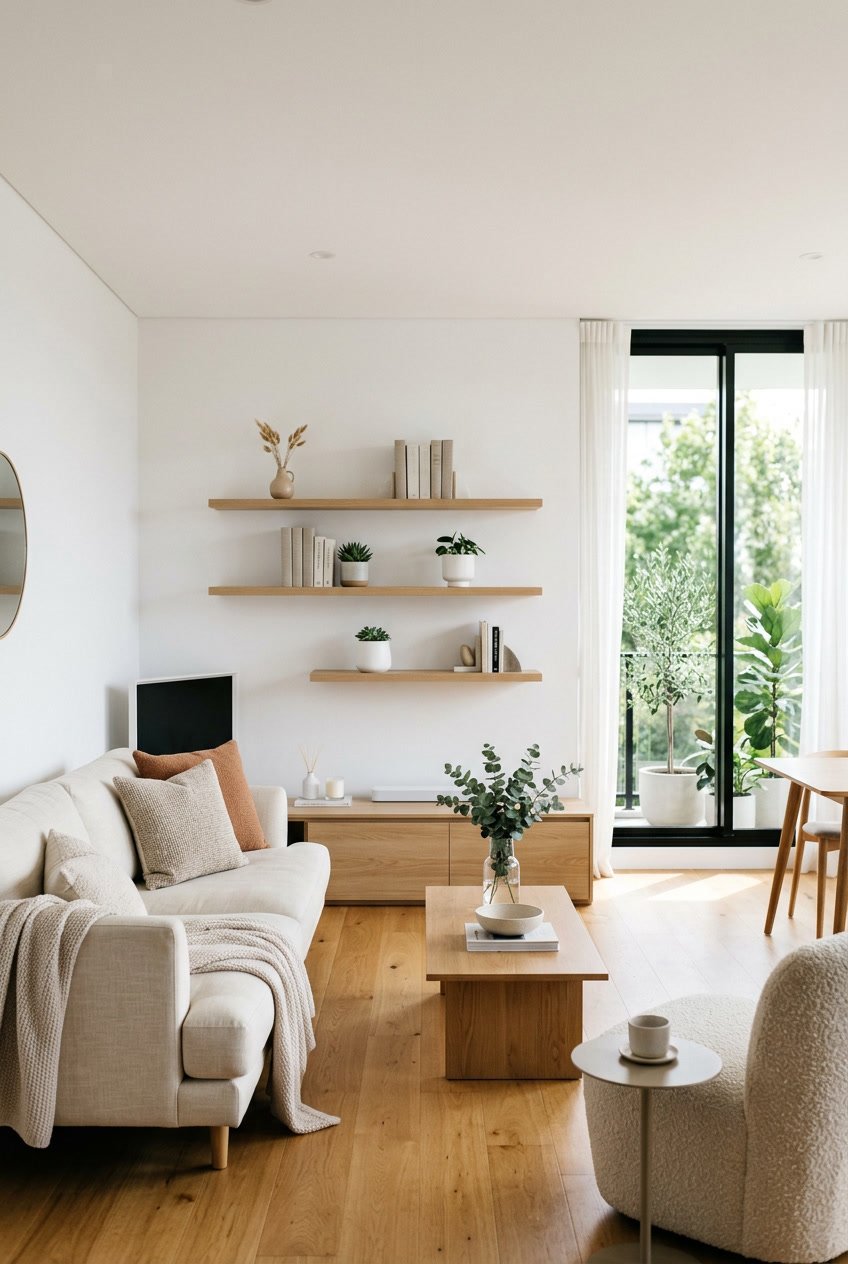
Add storage that doesn’t eat up floor space or make things look busy. Floating shelves are great for kitchens, bathrooms, and living rooms.
Hidden-bracket or recessed shelves keep the look clean. Group items by function and leave most surfaces empty for that minimalist feel.
6) Add texture through natural materials like wood and linen
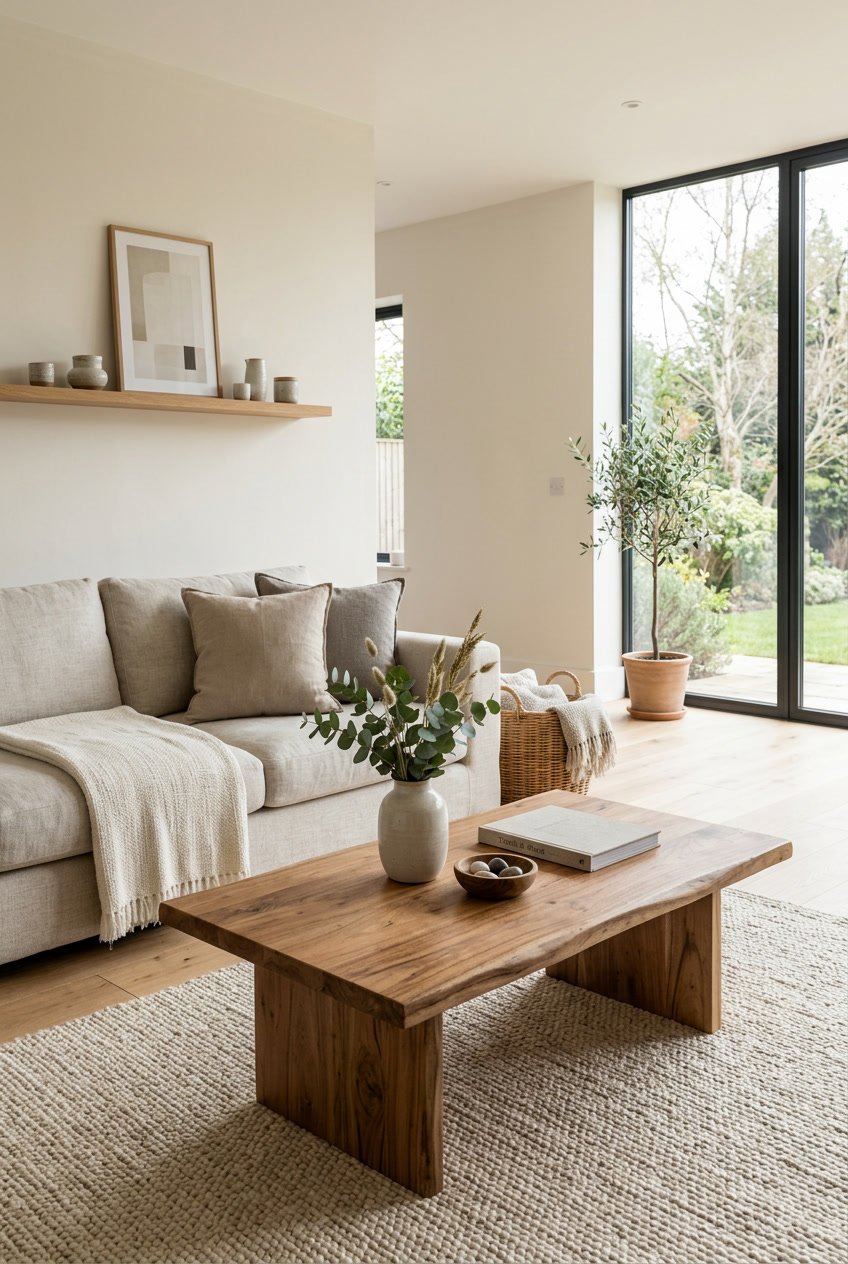
Layering natural materials adds warmth without clutter. Wood furniture, woven baskets, and linen textiles bring in texture and a bit of character.
A rough oak table or linen sofa cover gives the space some depth. These materials age well and soften the overall look as time goes on.
Light wood tones and neutral linens keep things calm. They’re easy to mix with plants or stone for a cozy, lived-in vibe.
7) Limit accessories to a few carefully chosen items
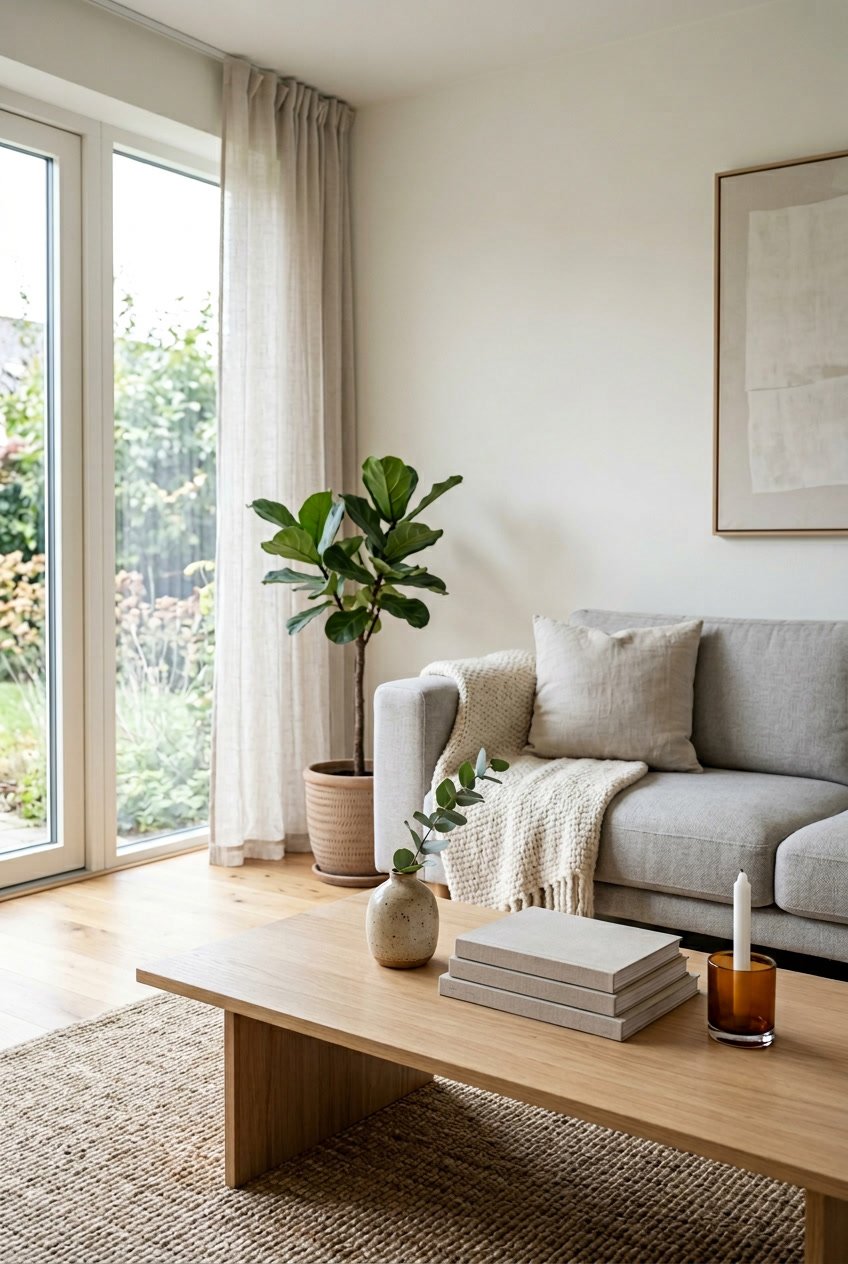
Stick to a handful of accessories that really mean something or add style. Each one should serve a purpose or just bring you joy.
Don’t crowd surfaces—leave some empty space so your favorite pieces pop. Fewer items also make cleaning and shuffling things around way easier.
Quality over quantity wins every time. Timeless pieces and natural textures keep things calm and intentional, not cluttered.
8) Create open spaces by removing unnecessary furniture
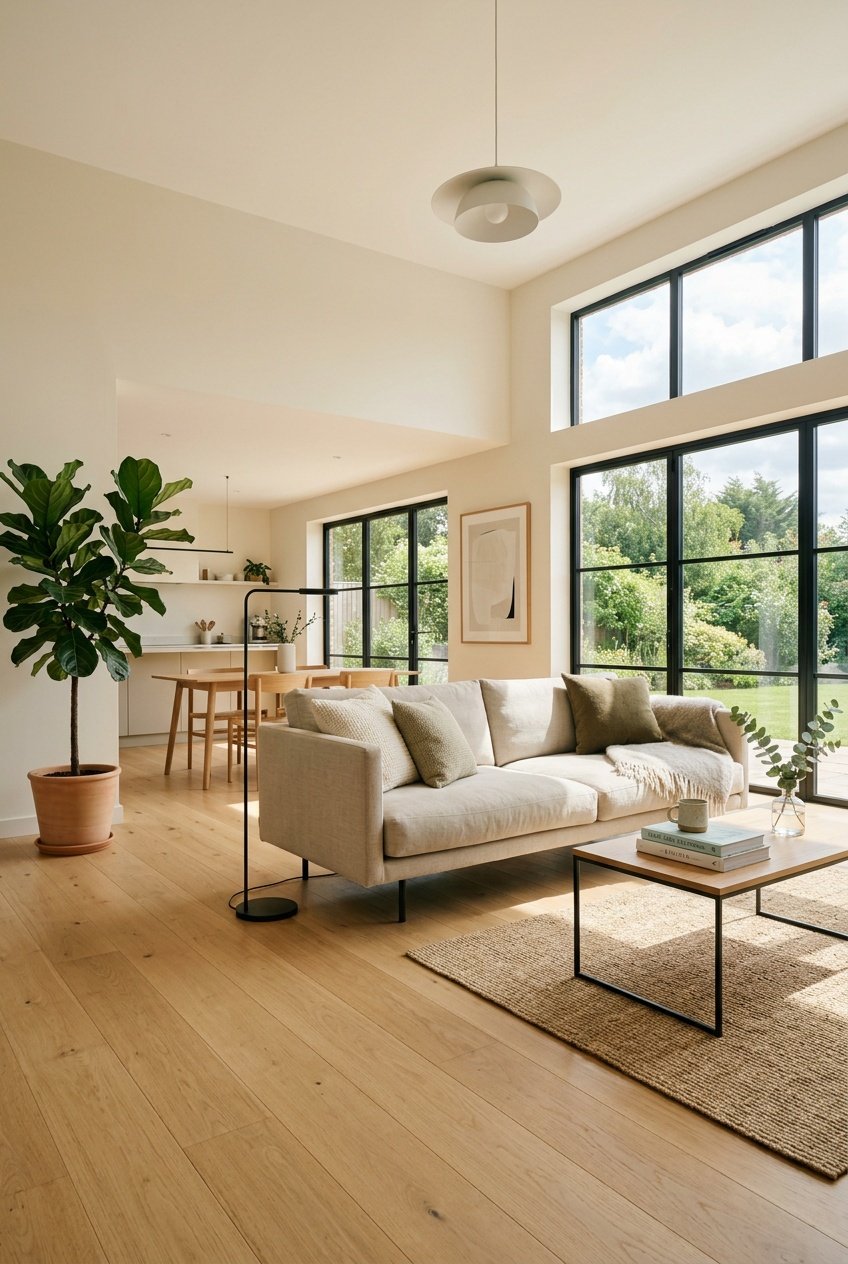
Keep only what you use or genuinely love. The room feels bigger, pathways open up, and light can reach more corners.
Multiuse furniture like a storage ottoman or slim console table keeps things practical. You get the function you need without crowding the space.
Try moving one piece at a time to see what works. Sometimes you don’t realize what’s unnecessary until it’s gone.
9) Use statement lighting fixtures with minimalist design
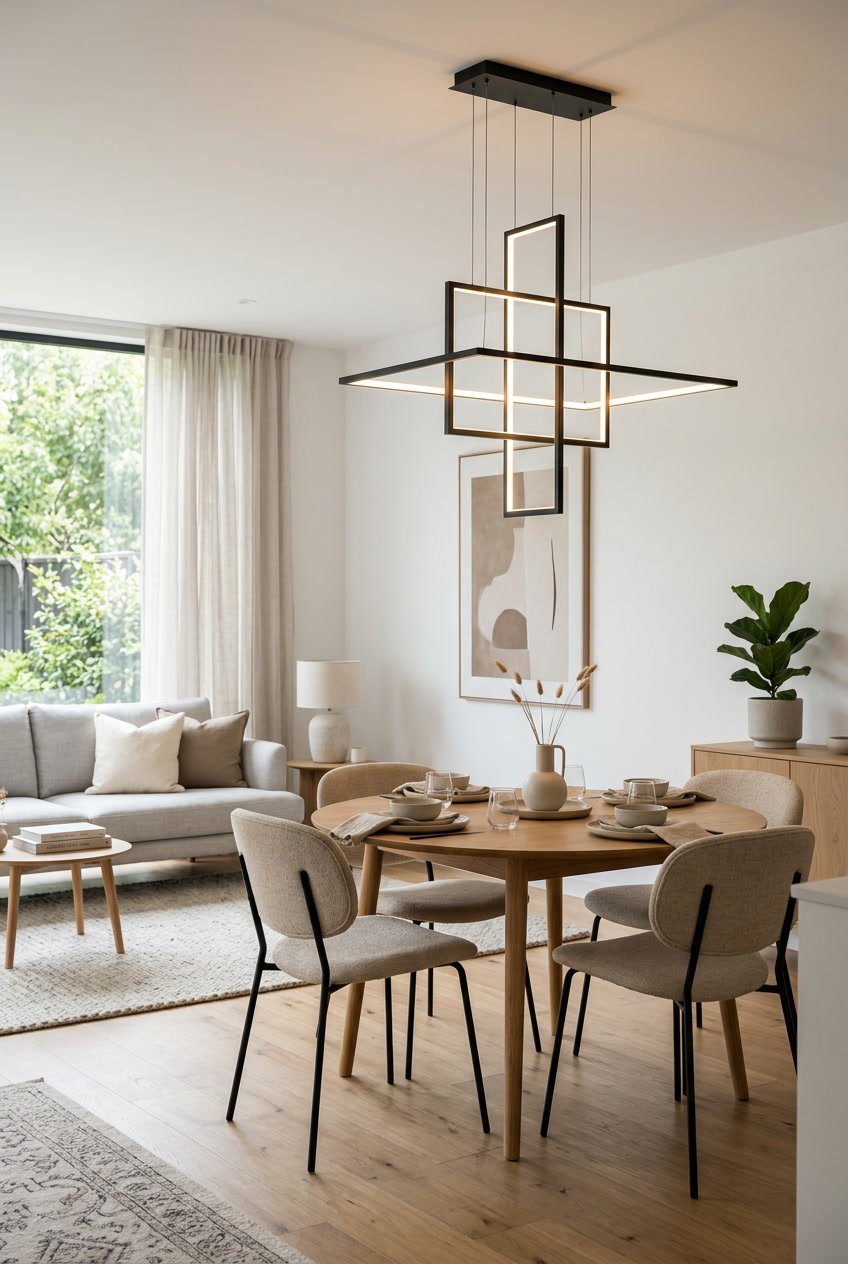
Pick one striking light fixture to anchor the room. A sculptural pendant or sleek LED bar can double as art.
Keep shapes simple and finishes neutral. Clean lines, quality materials, and balanced scale are the way to go.
Use dimmers and warm bulbs to set the mood. Good lighting highlights the best parts of your space without taking over.
10) Incorporate indoor plants for a touch of nature
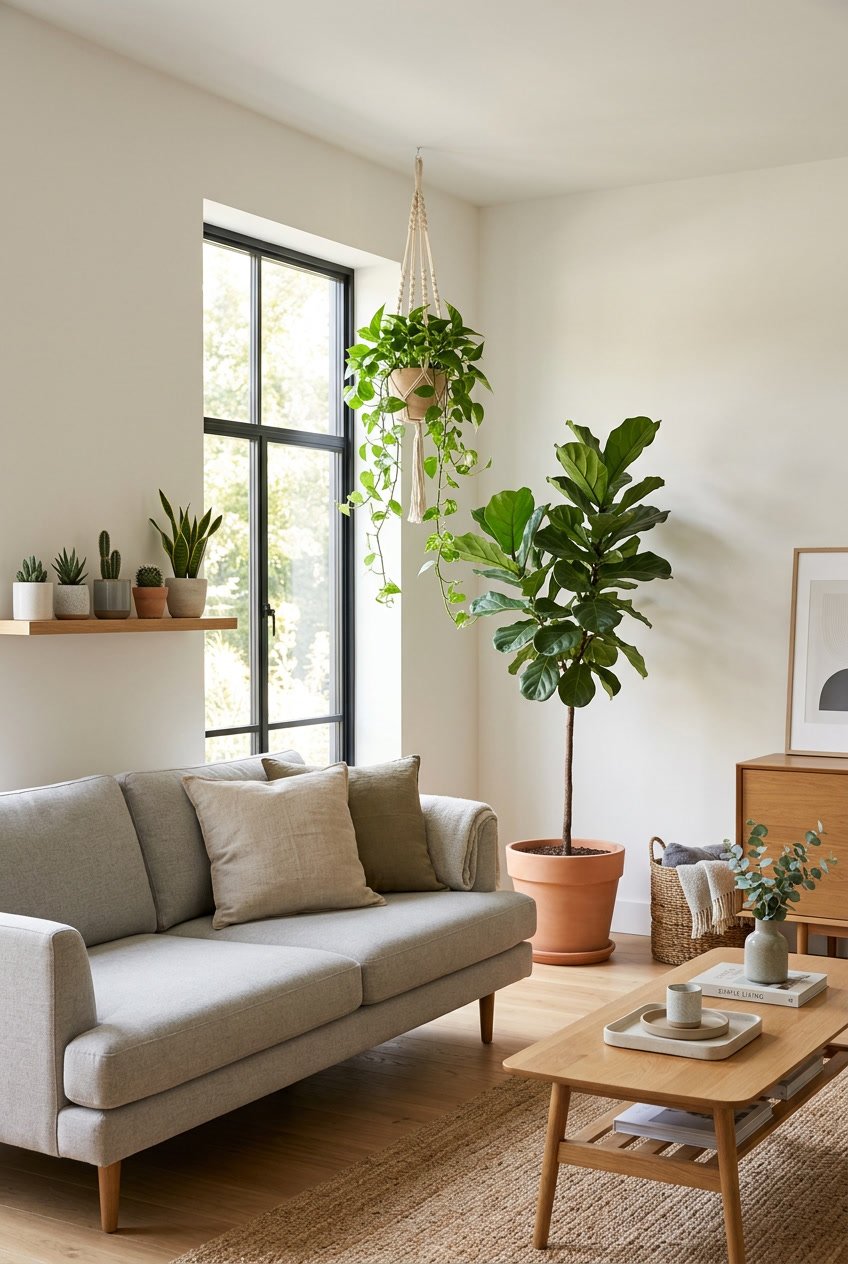
Plants just do something special for a space. They bring in a bit of life and soften up those minimalist corners, but they don’t make things feel busy.
Try a snake plant or maybe a small fiddle leaf fig—just a couple, really, and you’ll notice the difference. Go for low-maintenance ones if you don’t want extra chores.
Neutral pots work best, at least in my book. Grouping plants by size helps keep things tidy and balanced, so it’s not all chaos on your shelves.